
Luxury Fashion Quality Issues: What’s Changed and Why It Matters
Luxury fashion used to conjure images of heirloom craftsmanship, hand-stitched detailing, and materials so rich they seemed to hold decades of tradition in every seam. Today, many consumers are questioning whether luxury fashion quality issues have eroded that promise — and whether high price tags still guarantee the craftsmanship they once did.
Recent reporting suggests this is more than an isolated critique — it’s a broader shift in how luxury products are made, marketed, and ultimately perceived by increasingly discerning shoppers.
The Quality Disconnect: What Consumers Are Saying
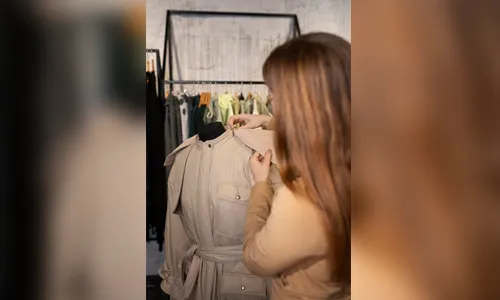

For decades, luxury meant durable, meticulously crafted, and worth investing in. But that narrative is under pressure.
A recent industry survey found that many consumers believe luxury items no longer offer a clear value advantage over their high-street or contemporary counterparts. Shoppers reported that rising prices aren’t always matched by quality improvements — and in some cases, durability seems to have declined.
One area of frustration? Garments and accessories that feel less robust, materials that appear downgraded, or construction that doesn’t feel as artisanal as it once did. In some cases, consumers even say second-hand luxury items feel better made than recent releases from the same brand.
What’s Behind the Shift?
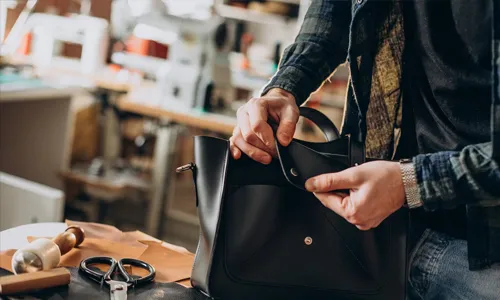
1. Outsourcing & Cost Cuts
Even luxury fashion houses — long associated with in-house ateliers and skilled artisans — have shifted parts of production to subcontractors or overseas factories to manage costs and demand. This strategy can reduce direct control over materials and craftsmanship, leading to inconsistencies in quality.
2. Speed Over Craftsmanship
Luxury brands now face pressure to keep up with fast fashion’s pace, releasing products more quickly and frequently. While this meets consumer demand, it can also push brands toward faster, less meticulous production methods that may affect finish and longevity.
3. Marketing vs Reality
Some brands invest heavily in storytelling and imagery — highlighting heritage workshops or artisanal roots — while the actual manufacturing may involve a mix of mass production techniques. Tech platforms and social media amplify both the marketing and the critique, making any inconsistency more visible and widely discussed.
Luxury Fashion vs. Fast Fashion — The Paradox

It’s easy to think fast fashion = low quality and luxury = high quality. But the reality is more nuanced.
Fast fashion’s environmental and ethical issues are real and well documented, especially regarding overproduction and waste.
- Some items are mass-produced even if they carry a luxury label.
- High prices sometimes derive more from branding than actual materials.
- Luxury supply chains have faced scrutiny for ethical lapses and outsourcing.
In other words, luxury does not guarantee quality by default — and consumers increasingly notice when the substance doesn’t match the story.
Is Craftsmanship Really Declining?
Veteran fashion commentators have been sounding this alarm for years, observing that what was once a hallmark of high fashion — carefully knitted or hand-finished pieces — has given way to faster, more commercial techniques.
Some observers suggest that the genuine craftsmanship still exists — but it’s now found more often in niche, artisanal brands or bespoke ateliers rather than the mainstream luxury houses that dominate global retail.
When Luxury Still Means Quality
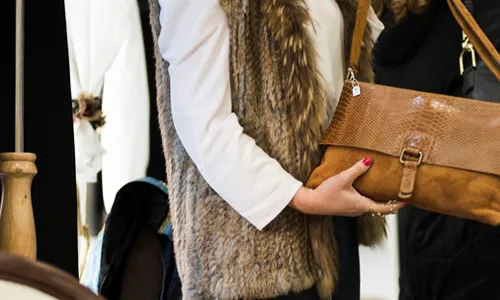
There are still brands and pieces that live up to the name:
- House-made leather goods with traditional craftsmanship
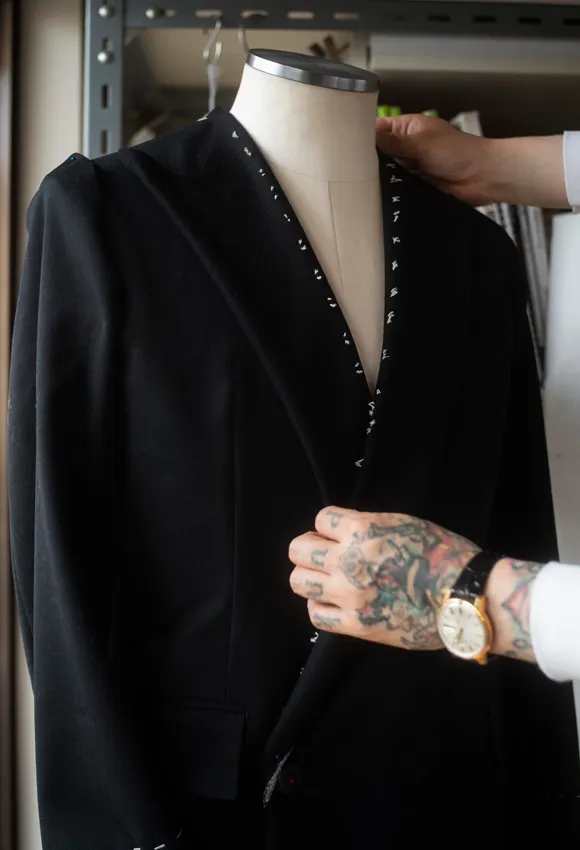
- Hand-knitted cashmere and bespoke tailoring
- Limited-edition collections with rigorous quality control
But the key shift is that consumers no longer assume quality — they demand it and test it, often literally on social media or resale platforms.
How Consumers Are Responding

Today’s shoppers aren’t just passive buyers — they’re investigators. They compare:
- materials and construction details
- whether high price reflects exclusivity or markup
- how long a piece lasts in real wear vs. seasonal trends
Many are turning to:
- resale markets for vintage luxury that still holds up
- contemporary brands that emphasize transparency
- artisanal labels with clear sourcing and honest pricing
This shift is reshaping what people think of when they hear “luxury.”
FAQs
Why are luxury fashion quality issues getting more attention?
Modern consumers are more informed and vocal, especially via social media and resale platforms, making quality lapses more visible and widely discussed.
Is luxury fashion still worth buying?
It can be, but value now depends on transparency, materials, and craftsmanship — not just brand name.
How can you tell if a luxury item is truly high quality?
Look for hand-finished details, premium materials (like fully natural leather or silk), and clear sourcing information.
Is luxury fashion more sustainable than fast fashion?
It can be more durable, but it faces its own issues with waste, ethical practices, and overproduction. Quality and sustainability aren’t the same.
Does luxury always mean better quality?
Not always — many consumers now report inconsistencies and lower durability even in high-end brands.
Why are luxury prices still so high?
Pricing often reflects marketing, exclusivity, and brand heritage in addition to material and labor costs.
Are luxury goods built to last?
Some are — especially artisanal pieces — but many mass-produced items may not last as long as expected.
The era when luxury fashion quality was assumed may be giving way to a more honest moment — one where craftsmanship, transparency, and ethics matter more than brand prestige alone. For the modern style lover, understanding luxury fashion quality issues isn’t just smart — it’s essential.