
How Destructive Clothing Turns Damage Into Design
There is something strangely appealing about clothing that looks like it has been through a little trouble. A frayed hem. A ripped sleeve. Exposed seams. A sweater with deliberately uneven edges. Jeans that look worn rather than freshly bought. At first glance, destructive clothing can look unfinished, even damaged. But in fashion, that is often exactly the point.
What Is Destructive Clothing?
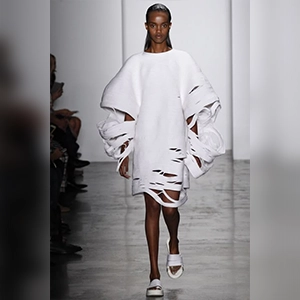

Destructive clothing refers to garments that intentionally incorporate signs of damage, wear, deconstruction, or unfinished construction into their design.
That can mean ripped denim, shredded knitwear, raw edges, distressed fabric, exposed stitching, cutouts, loose threads, uneven hems, or panels that look as though they have been pulled apart.
A frayed sweater hanging in your closet because it has been washed too many times is one thing. A designer spending hours creating precisely placed fraying on a new sweater is something else entirely. That little distinction is what makes destructive clothing interesting.
How Does Destructive Clothing Work?

The easiest way to understand it is to think about what normally makes a garment look "finished." We expect seams to be hidden. Hems should be neat. Fabric should be intact. Buttons should stay where they belong. A jacket should look like a jacket, not like someone started taking it apart.
Destructive clothing questions those expectations.
Designers may deliberately:
- Leave seams exposed
- Cut or split sections of fabric
- Fray the edges
- Distress denim
- Shred knitwear
- Create irregular hems
- Reveal layers underneath
- Add tears or abrasions
- Deconstruct traditional garment shapes
- Mix polished fabrics with visibly distressed ones
The result can look raw, rebellious, relaxed, artistic, or surprisingly luxurious depending on how the details are styled.
Is Destructive Clothing the Same as Distressed Clothing?
Not quite.
| Distressed Clothing | Destructive Clothing | Deconstructed Fashion |
| It usually refers to garments that have been deliberately treated to look worn, aged, faded, torn, or weathered. | It can go further by playing with the actual construction of the garment. | It takes this idea even further, often revealing how a garment is made or rearranging its traditional construction. |
| Think ripped jeans and faded denim. | It may involve cutting, separating, exposing, rearranging, or deliberately disrupting familiar clothing shapes. | Example: Tailored coats and blazersexposing shoulder pads |
Why Make Clothes Look Damaged?
This is where destructive clothing gets much more interesting than a pair of ripped jeans. Fashion has traditionally associated quality with perfection. Clean tailoring, immaculate finishing, and flawless fabrics signal craftsmanship. The damage becomes decoration.
Rips Can Become Design Details
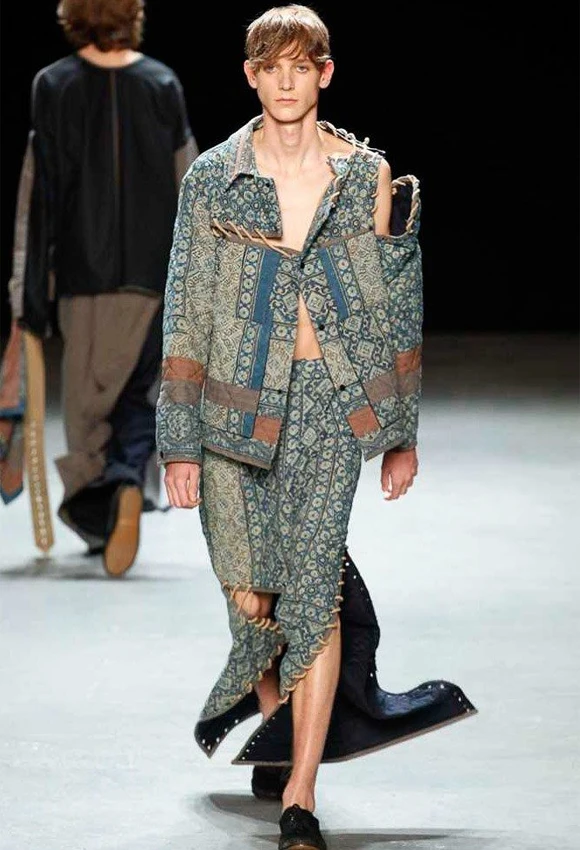
A tear normally means something has gone wrong. In destructive clothing, the tear can be the most deliberate part of the garment. A strategically placed opening can change the shape of a dress. A ripped panel can reveal another layer underneath. A shredded sleeve can introduce movement. Even loose threads can add texture.
Raw Edges Give Clothing a Different Personality
Clean edges make clothing look polished. Raw edges make it feel more relaxed and unpredictable. That doesn't mean every unfinished hem works. The surrounding silhouette still needs balance. A raw edge on a structured blazer creates a very different impression from a frayed edge on a loose cotton dress.
Destructive Clothing Isn't Always About Rebellion
It is easy to associate torn clothing with punk, grunge, or rebellious dressing. Those influences certainly matter, but the idea has moved well beyond them. Today, designers can use destruction almost like a fabric technique.
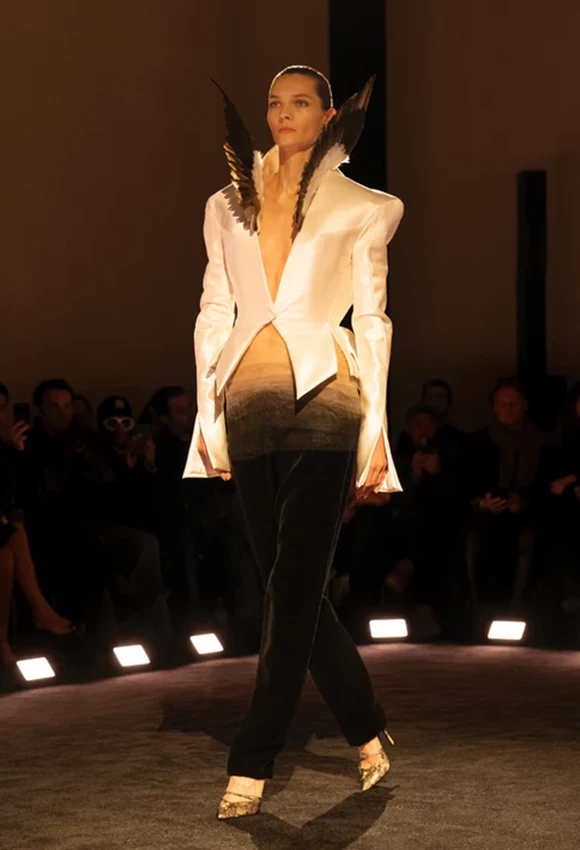
A delicate evening dress might have deliberately unfinished edges. A tailored jacket might reveal its construction. A luxurious knit might be shredded into an intricate texture. The contrast is part of the appeal.
The Luxury Side of Destructive Fashion
This is probably the biggest reason destructive clothing deserves a place in fashion conversations. When an expensive designer garment looks deliberately unfinished, the contradiction becomes impossible to ignore. The garment may look raw, but achieving that appearance can require enormous precision.
Is Destructive Clothing Actually Sustainable?
Not automatically.
The appearance of wear does not make a garment environmentally responsible. A newly manufactured pair of jeans can be heavily distressed and still require significant resources to produce.
However, the aesthetic can overlap with upcycling, repair, and clothing reuse when designers or consumers genuinely transform existing garments rather than simply manufacturing new ones to look old.
FAQs
What Is Destructive Clothing?
Destructive clothing is designed with intentional signs of wear, damage, or unfinished construction, including rips, frayed edges, exposed seams, raw hems, and distressed fabrics.
Why Is Destructive Clothing Fashionable?
It challenges traditional ideas of polished dressing and turns imperfections into deliberate design details. The look can feel rebellious, artistic, relaxed, or avant-garde.
What Is the Difference Between Destructive and Distressed Clothing?
Distressed clothing usually focuses on making fabric look worn or aged. Destructive clothing can include distressing but may also alter the garment's construction through cuts, exposed seams, irregular edges, or deconstruction.
Is Destructive Clothing the Same as Deconstructed Fashion?
They overlap but are not identical. Deconstructed fashion focuses more specifically on taking apart or reinterpreting traditional garment construction, while destructive clothing can simply use damaged-looking details as part of the design.
Is Ripped Clothing Considered Destructive Fashion?
It can be. Rips, tears, and shredded areas are common elements of destructive fashion when they are intentionally incorporated into the garment's design.
How Can You Make Destructive Clothing Look Stylish?
Balance distressed pieces with polished clothing. Try ripped denim with tailoring, a frayed knit with sleek trousers, or a deconstructed top with simple accessories.
Is Destructive Clothing Only for Streetwear?
No. While distressed and torn clothing has strong connections to streetwear, punk and grunge, designers also use destructive techniques in tailoring, eveningwear, knitwear and luxury fashion.
Can Destructive Clothing Be Sustainable?
It can be when the approach involves repairing, reworking, or upcycling existing garments. However, a new garment made to look damaged is not automatically sustainable.
Fashion isn't only about making clothes look beautiful. It also plays with ideas. Destructive clothing asks questions such as:
- Does a garment have to look perfect to be beautiful?
- Does unfinished automatically mean badly made?
- Can something damaged become desirable?
- Where is the line between clothing and art?
These questions are part of why deconstruction and distressed aesthetics continue to appear in fashion. The style takes something ordinary and makes us look at it differently.