
Why Do Shoes Squeak When You Walk?
You have the perfect outfit, your favorite shoes, and somewhere important to be. But every step comes with an irritating squeak. If you've ever wondered why do shoes squeak when you walk, the answer usually involves friction, moisture, or movement between different parts of your footwear.
From rubber-soled sneakers to elegant leather loafers, identifying the source of the noise can help you find the right fix and keep your favorite shoes looking and feeling their best.
Why Do Shoes Squeak? 6 Common Reasons
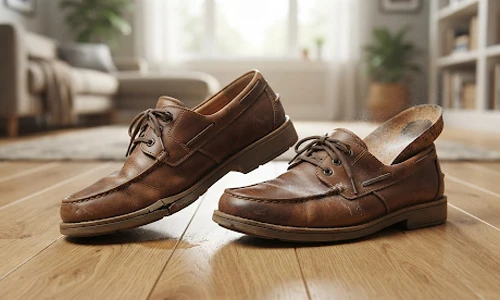

Not all squeaks are created equal. Sometimes the noise comes from the sole rubbing against the floor; other times, it's happening inside the shoe. Here are six common reasons:
1. Friction Between the Insole and Outsole
When the insole moves against the bottom of the shoe, the rubbing can create a squeaking sound. This is particularly noticeable when insoles are loose or have shifted.
2. Moisture Trapped Inside the Shoe
Rain, sweat, and humidity can leave footwear damp. Moisture can increase friction between materials and cause unexpected noises.
3. Rubber Soles Rubbing Against Smooth Floors
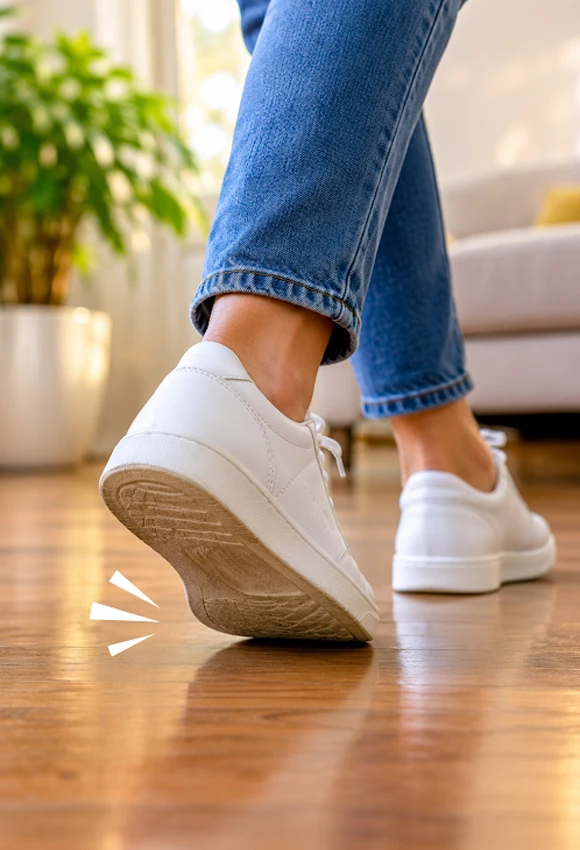
Rubber-soled sneakers can produce a sharp squeak when they move across polished tiles, hardwood, or gym floors.
4. New Shoes That Haven’t Softened Yet
Freshly purchased shoes can have stiff materials, tight seams, and tongues that rub against other surfaces. The noise may reduce as the footwear breaks in.
5. Dry Leather and Rubbing Shoe Tongues
Leather footwear can become stiff when it lacks proper conditioning. Similarly, shoelaces rubbing against the tongue can create repetitive squeaks.
6. Loose or Damaged Shoe Construction
A separating sole, loose component, or internal air pocket can cause repeated noises. If the sound continues despite basic care, the shoe may need professional attention.
What Is the Science Behind Squeaky Shoes?
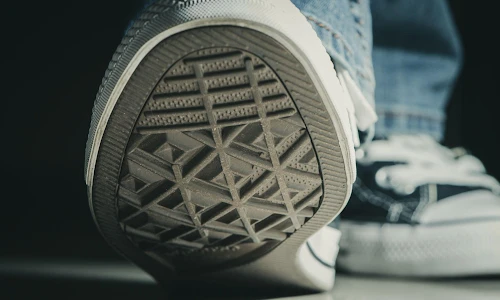
There's actually some fascinating science behind that annoying sound. Researchers used high-speed imaging to observe what happens when rubber moves across glass. They identified rapidly travelling opening slip pulses, which cause small areas of the rubber to detach and reattach.
These repeating movements generate vibrations that we hear as squeaks. The researchers also observed tiny electrical discharges in some experiments, similar to miniature lightning bolts. Interestingly, the shape and ridges of the rubber surface influence the sound's frequency.
How Can You Stop Shoes from Squeaking?
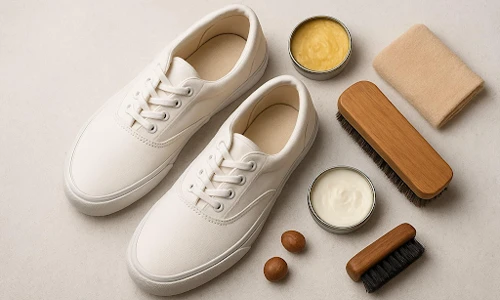
Before trying random household remedies, identify where the sound originates. These simple solutions can help:
| Where the squeak comes from | What you can try |
| Inside the shoe | Remove the insole if possible and let it dry |
| Between the insole and sole | Check the fit and reposition a removable insole |
| Shoe tongue | Adjust the laces and use suitable leather conditioner if needed |
| Wet footwear | Air-dry naturally away from direct heat |
| Rubber outsole | Clean away dirt and residue; check whether the floor is causing the noise |
| Loose or separating sole | Visit a professional cobbler |
A few additional tips:
- Try wearing socks: If the squeaking disappears, friction between your bare foot and the shoe may be responsible.
- Condition leather carefully: Use a product designed for the specific leather finish.
- Avoid excessive lubricants: Oils and petroleum jelly can make footwear slippery or stain delicate materials.
- Don't force a repair: Avoid pulling apart glued soles or aggressively sanding expensive footwear.
Do Different Types of Shoes Squeak for Different Reasons?

Absolutely. Your footwear material and construction can influence where the noise originates.
- Sneakers: Rubber soles rubbing against smooth floors or damp insoles are common suspects.
- Leather loafers: Dry leather, stiff tongues, and internal friction can create squeaks.
- Ballet flats: Foot movement against the insole can produce rubbing noises, particularly when worn without socks.
- Boots: Stiff leather, loose components, and moisture can contribute to squeaking.
The important thing is to identify the exact source before applying any treatment. A solution that works for a rubber sneaker may not be appropriate for a delicate leather flat.
Frequently Asked Questions
1. Why do shoes squeak when you walk on tiles?
Rubber soles can create friction against smooth tile surfaces, producing a high-pitched squeaking sound.
2. Why do brand-new shoes squeak?
New shoes may have stiff materials, tight seams, or rubber soles that haven't fully broken in.
3. Can moisture make shoes squeak?
Yes. Moisture can increase friction between shoe components and cause squeaking.
4. Does baby powder stop shoes from squeaking?
A small amount beneath a removable insole may reduce friction, but check the shoe manufacturer's care instructions first.
5. Should I replace shoes that keep squeaking?
Not necessarily. Try basic troubleshooting first. However, persistent squeaking caused by loose or damaged construction may require professional repair or replacement.
6. Do leather shoes squeak more than sneakers?
Not necessarily. Both can squeak, but the cause depends on their materials, construction, and contact surfaces.
A stylish pair of shoes should make an impression because of its design, not because everyone can hear you coming!
Understanding why shoes squeak helps you identify the problem before reaching for a replacement pair. Whether it's moisture, friction, or loose construction, a little attention to footwear maintenance can keep your favorite styles comfortable and quieter. After all, great style isn't just about what you wear. It's also about how well you care for it.