

How to Test Hair Porosity for Healthier, Shinier Hair
Learning how to test hair porosity can help you understand why your hair sometimes feels dry, takes ages to absorb products, or loses its smooth finish soon after styling. A simple at-home check can offer clues, but the best approach combines observation with how your hair responds to water and your usual routine.
Think of it as a beauty reset: once you understand your hair's moisture needs, you can make more informed choices about conditioners, masks, and styling products.
How to Test Hair Porosity at Home
One popular method is the floating-strand test. It is easy to try, although it should not be treated as a definitive result.
Step 1: Prepare a Clean Strand
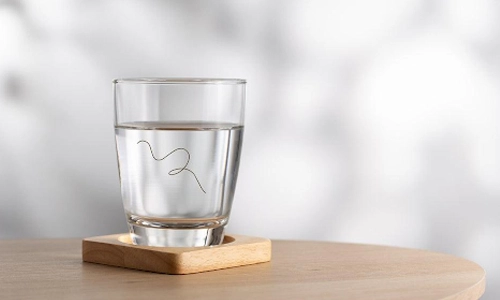

Use a freshly shed hair strand without visible styling-product residue. Place it in a clear glass of room-temperature water.
Step 2: Observe What Happens
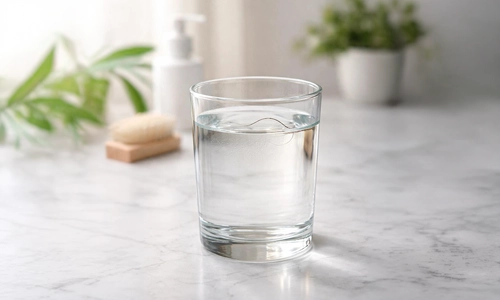
Watch the strand for a few minutes. Notice whether it remains near the surface, moves through the water, or sinks.
Step 3: Treat the Result as a Clue
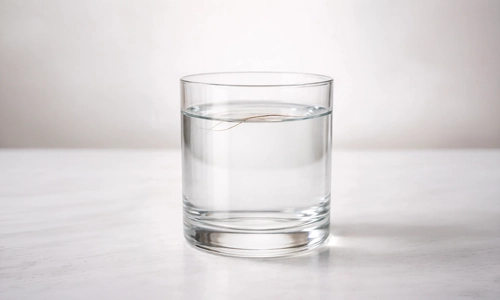
A floating strand is often associated with low porosity, while a quickly sinking strand may suggest higher porosity. However, surface tension, residue, strand condition, and other factors can affect the result.
The important caveat: There is no universally reliable home float test that can classify your hair porosity on its own. Combine this observation with how your hair behaves during washing, conditioning, drying, and styling.
What Do Low, Medium, and High Hair Porosity Look Like?
Low Porosity
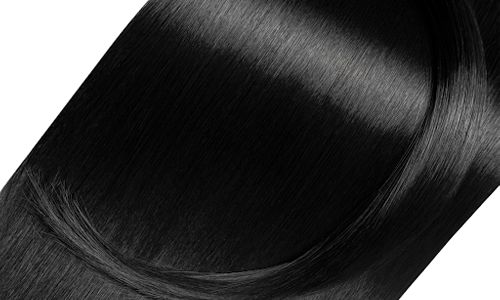
Water and products may take longer to penetrate. Heavy formulas can leave buildup.
Medium Porosity
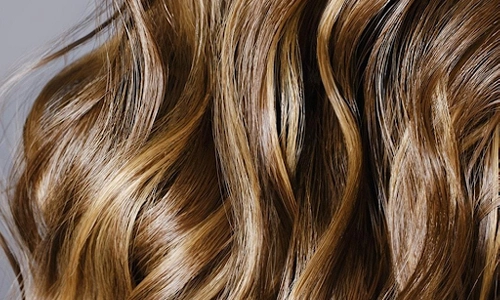
Hair may absorb and retain moisture relatively well and feel manageable with a balanced routine.
High Porosity
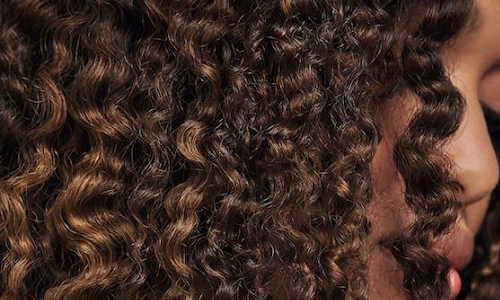
Hair may absorb water quickly but lose moisture readily, with dryness, frizz, or tangling.
These are common tendencies, not definitive visual diagnoses. Natural texture, strand thickness, damage, and styling habits can also affect how hair looks and feels.
How Should You Adjust Your Hair-Care Routine?
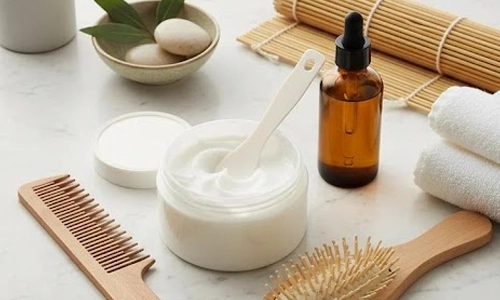
- Low porosity: Try lightweight, water-based conditioners and clarify occasionally if products build up.
- Medium porosity: Maintain a balanced routine with conditioner, gentle cleansing, and heat protection when styling.
- High porosity: Consider a richer conditioner or leave-in product, gentle detangling, and less frequent high-heat styling.
You do not need to replace your entire shelf. Start with one adjustment and see whether your hair becomes easier to detangle, style, and maintain.
Frequently Asked Questions
What is hair porosity?
It is your hair's ability to absorb and retain moisture.
Is the hair float test accurate?
Not reliably on its own. Use it as a clue, not a diagnosis.
Can hair porosity change over time?
Yes. Chemical treatments, heat, and physical damage can affect porosity.
Does curly hair always have high porosity?
No. Hair porosity and curl pattern are different characteristics.
How often should I test my hair porosity?
There is no required schedule. Reassess when your hair's condition or routine changes.
Does high porosity mean damaged hair?
Not necessarily, although damage can increase porosity.
Healthy-looking hair is not about owning the most products; it is about finding what works for your strands. Start with a simple porosity check, pay attention to how your hair behaves over several washes, and adjust your routine gradually. Your hair's response is not a single glass of water, it will offer the most useful clues for your next good-hair day.