

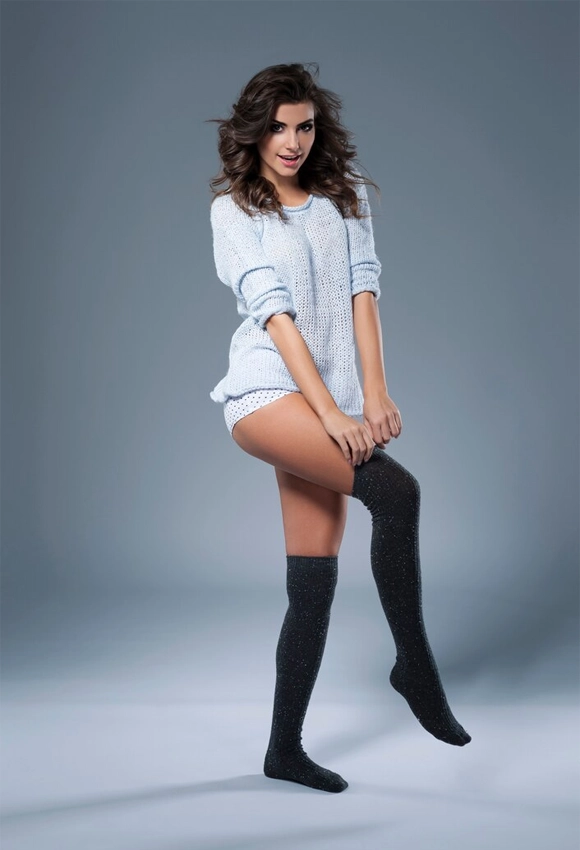
Socks Marks on Legs? Try These Easy Style Fixes
Ever taken off your socks at the end of the day and found deep lines around your ankles? I have, and it made me wonder whether my socks were simply too tight or whether my entire outfit needed a rethink.
The same thing happens with leggings, tights, shapewear, and elastic-waist trousers. Sometimes, the problem isn't your body or your outfit's overall look. It's the fit, fabric, or elastic. The good news? A few simple wardrobe changes can help you avoid those annoying marks without sacrificing your personal style.
Why Do Sock Marks on Legs Appear?
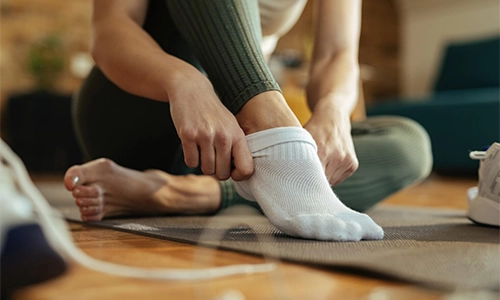

Sock marks on legs often happen when the elastic at the top of a sock presses against the skin for hours. A snug fit can leave temporary indentations, particularly after a long day of walking, sitting, or standing.
Your favorite socks might look perfectly fine, but a tight cuff can make them uncomfortable after several hours. Even fashionable crew socks and knee-high styles can leave marks if their elastic doesn't suit your legs.
And socks aren't the only culprits. Tight leggings, compression-style clothing, fitted jeans, underwear, and elastic waistbands can also leave visible lines after you take them off.
Instead of blaming your body, start by checking how your clothes fit.
5 Easy Ways to Prevent Sock Marks on Legs

1. Switch to Socks With Softer Cuffs
You don't have to give up your favorite socks to avoid marks. Look for styles with soft, non-binding cuffs that stay in place without squeezing your ankles. Seamless socks, relaxed-fit crew socks, and options specifically designed with non-binding tops are worth trying. Check the size guide before buying, especially if standard socks often feel restrictive.
Style tip: Neutral ankle socks work well with sneakers and casual trousers, while relaxed crew socks can add a laid-back touch to jeans, loafers, and sporty outfits.
2. Choose the Right Sock Length for Your Outfit
Sometimes, the issue is the style rather than the color or pattern. If knee-high socks feel restrictive, try ankle or crew socks instead.
For a polished look, pair ankle socks with sneakers or loafers. If you love the visible-sock trend, choose a comfortable crew style that complements your trousers or skirt.
The goal is to find a length that works with your shoes and outfit without creating unnecessary pressure.
3. Rethink Tight Leggings and Waistbands
Have you noticed marks around your waist after wearing leggings all day? The waistband may be too tight, or the elastic may be too firm.
Try leggings with a flexible, wide waistband that sits comfortably without digging into your skin. When shopping for trousers, look for adjustable waistbands, stretch fabrics, or relaxed silhouettes.
The same principle applies to underwear and shapewear. Choose the correct size rather than sizing down for a smoother appearance. Clothing should support your outfit, not leave you counting the minutes until you can take it off.
4. Pick Fabrics That Move With You
Fabric makes a difference to how clothing feels throughout the day. Stiff waistbands, inflexible materials, and narrow elastic bands can become uncomfortable when you sit, walk, or move around.
For everyday wear, consider breathable cotton blends, soft knits, and stretch fabrics that offer flexibility. For tights and leggings, look for materials that feel supportive without excessive compression.
Remember that a stretchy fabric isn't automatically a comfortable fit. The garment's size, construction, and elastic tension matter just as much.
5. Give Your Skin a Break After a Long Day
If your socks or clothing leave temporary marks, changing into loose, comfortable clothes can help you relax at home. Try soft lounge pants, loose cotton shorts, or relaxed-fit pajamas instead of immediately switching into another tight outfit.
A gentle moisturizer can help if your skin also feels dry, but it won't correct marks caused by overly tight elastic. The most useful fix is usually changing the garment or choosing a better fit.
What About Marks From Bras, Underwear, and Shapewear?
Socks aren't the only wardrobe items that can leave lines on your skin. Bra bands may leave indentations around the rib cage, underwear can create marks around the hips, and shapewear may feel restrictive after several hours.
Here are a few simple adjustments worth making:
- Bras: Check the band size and adjust the straps so they provide support without excessive pressure.
- Underwear: Choose the correct size and softer waistbands that don't dig into your hips.
- Shapewear: Look for a comfortable fit rather than choosing a smaller size for extra compression.
- Jeans and trousers: Try a different rise, a flexible waistband, or a roomier cut if the waist feels restrictive.
- Tights and leggings: Check the size chart and avoid styles that roll, pinch, or feel uncomfortably tight.
You can still wear fitted clothing and look put together. The trick is finding pieces that fit your proportions comfortably.
When Should You Replace Your Socks or Clothing?

If your socks consistently leave deep marks, roll down, or feel tight around your ankles, it's worth trying a different size or design.
The same goes for leggings and underwear that dig into your skin, leave persistent indentations, or make movement uncomfortable. Worn elastic can also lose its shape and make a garment fit differently over time.
One important distinction: temporary clothing marks are not always a fashion issue. If indentations persist, or you notice unexplained swelling, pain, redness, or one leg becoming more swollen than the other, don't assume tighter clothing is the cause. Seek medical advice; sudden swelling in one leg, particularly with pain, warmth, or redness, needs urgent assessment.
FAQs
Why do socks leave marks on my legs?
Socks can leave marks when their elastic cuffs press against the skin for extended periods. A tighter fit, long hours of wear, and swelling throughout the day may contribute to more noticeable indentations.
How do I prevent sock marks on legs?
Try relaxed-fit socks, softer non-binding cuffs, and the correct sock size. Avoid rolling down tight cuffs, and switch to a different design if your socks consistently leave deep indentations.
Are sock marks a sign that my socks are too tight?
They can indicate that your socks are too tight, particularly if they feel restrictive or leave deep marks. However, marks alone don't establish the cause, so pay attention to persistent indentations or other symptoms.
Why do leggings leave marks on my skin?
Leggings can leave marks when their waistbands or fabric put pressure on the skin. Try a better-fitting size, a softer waistband, or a more flexible fabric that allows comfortable movement.
How can I prevent elastic waistbands from digging into my skin?
Choose clothing with flexible waistbands, adjustable features, or a more comfortable fit. Avoid sizing down for a tighter silhouette, especially if the waistband pinches when you sit or move.
Can tight underwear and shapewear leave marks?
Yes. Tight elastic bands and compression garments can leave temporary indentations. Choosing the correct size and avoiding excessive compression can make them more comfortable.
How long should sock marks last?
Temporary indentations may fade after the pressure is removed, but the time varies. Marks that persist or occur alongside unexplained swelling, pain, redness, or other symptoms warrant medical assessment.
Sock marks on legs don't mean you have to abandon your favorite socks or stop wearing fitted outfits. A softer sock cuff, a more comfortable waistband, or a better-fitting pair of leggings can make a noticeable difference.
Fashion should help you feel confident and comfortable throughout the day. Choose clothes that work with your body, not against it.