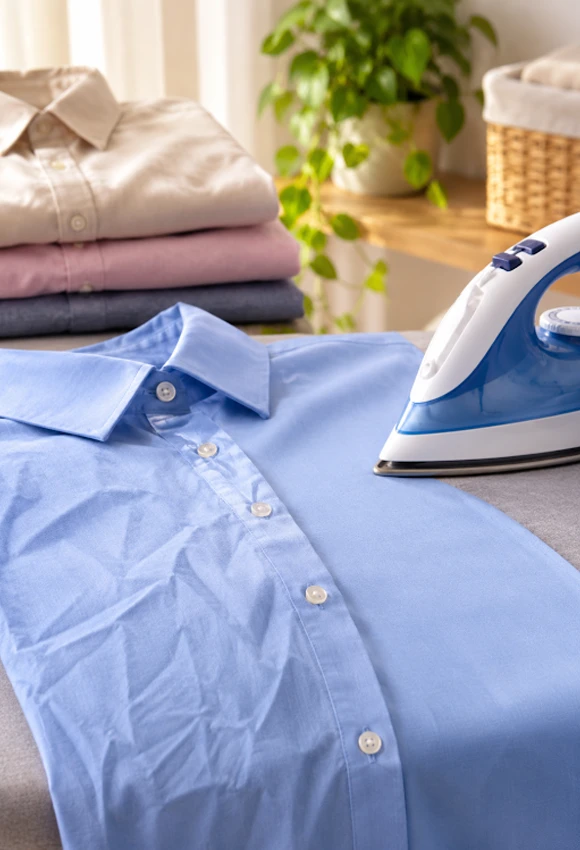
Why Fabrics That Wrinkle Easily Stay Creased After Ironing
Have you ever ironed your favourite shirt, hung it carefully, and still noticed stubborn creases when you put it on? Some fabrics that wrinkle easily simply don't maintain a freshly pressed appearance for long. The reason could be the fabric's natural properties, incorrect ironing temperature, trapped moisture, or even the way you store your clothes.
Understanding how different materials respond to heat, steam, and movement can help you keep your outfits looking polished with less effort.
Why Do Some Fabrics That Wrinkle Easily Stay Creased?
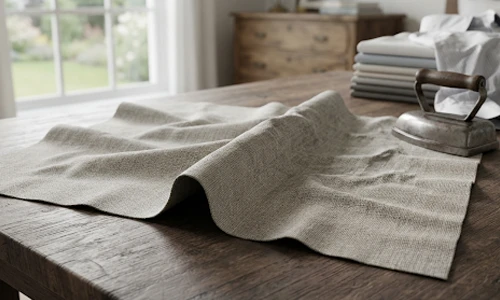
Not all fabrics respond to ironing in the same way. Cotton and linen, for example, have relatively low elasticity. Their fibres don't always return to their original shape after being folded, compressed, or bent. This makes them more likely to develop visible creases throughout the day.
Other factors can make the problem worse:
- Incorrect temperature: Too little heat may not relax stubborn creases, while excessive heat can damage certain fibres.
- Insufficient moisture: Some natural fabrics respond better to controlled steam or slight dampness during pressing.
- Fabric construction: Loose weaves and lightweight materials can crease more noticeably.
- Movement and pressure: Sitting, bending, carrying a handbag, and travelling can create fresh wrinkles.
- Improper storage: Leaving freshly pressed clothes folded or crowded can undo your work.
Which Fabrics Wrinkle Easily and Which Stay Smoother?
Your fabric choice plays a major role in how polished an outfit looks throughout the day.
| Fabric | Wrinkle tendency | Styling consideration |
| Linen | High | Beautiful for relaxed summer outfits |
| Cotton | Moderate to high | Crisp but needs regular pressing |
| Rayon/viscose | Moderate to high | Fluid drape with careful handling |
| Silk | Variable | Delicate finish; handle gently |
| Wool | Generally low | Excellent for structured tailoring |
| Polyester | Generally low | Practical for everyday polished looks |
| Crepe | Depends on construction | Texture can disguise minor creases |
Remember that fibre composition, weave, weight, and finishing all influence wrinkle resistance. A cotton twill, for instance, may behave differently from lightweight cotton poplin.
How Can You Iron Different Fabrics Without Leaving Creases?
The secret isn't turning the iron to its highest setting. It's matching the technique to the material.
1. Cotton Shirts
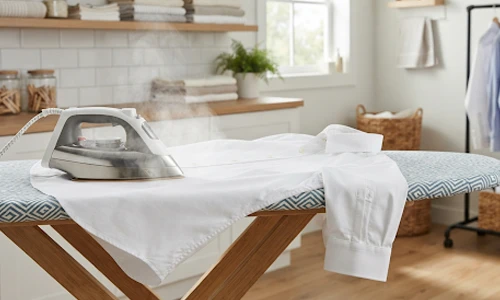
Use the temperature recommended on the care label. Press collars, cuffs, sleeves, and the main body in sections. A little steam can help stubborn creases relax.
2. Linen Dresses and Trousers
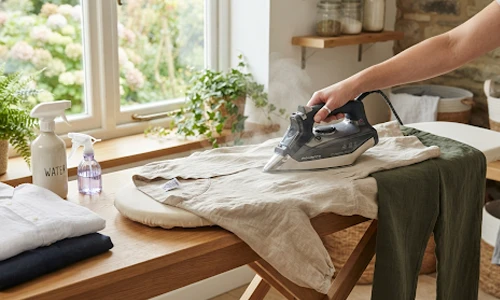
Iron linen while it is slightly damp if the care label permits. Work in sections and avoid repeatedly dragging the iron across the fabric.
3. Silk Blouses
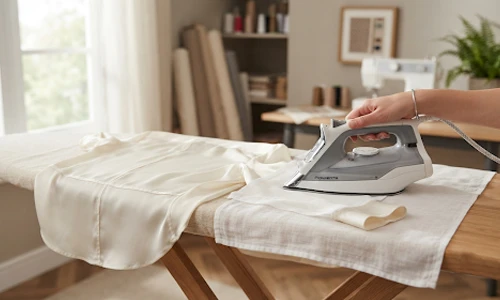
Use a low-temperature setting and a pressing cloth when recommended. Turn the garment inside out and avoid applying excessive pressure.
4. Viscose and Rayon Garments
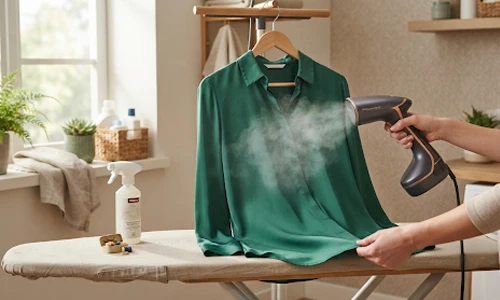
Check the care instructions carefully. These materials can be sensitive to heat and moisture, so gentle steaming or low-temperature pressing may be more appropriate.
5. Wool Trousers and Blazers
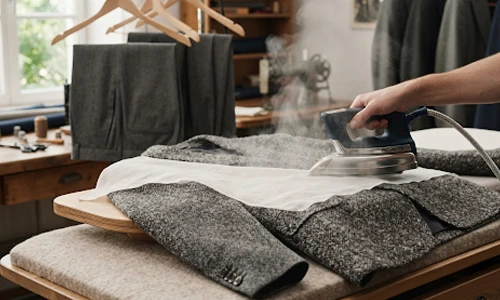
Use steam and a pressing cloth rather than flattening the fabric with a hot iron. Lift and press gently to preserve the garment's texture and shape.
What Can You Do When Clothes Look Wrinkled After Ironing?
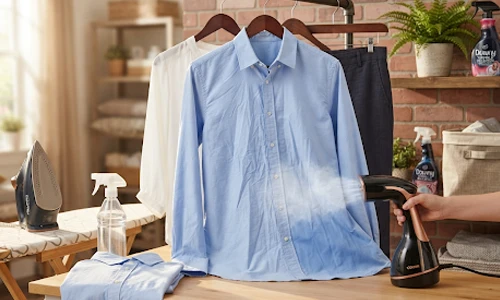
Sometimes the problem isn't the iron itself. Small changes to your routine can make a noticeable difference.
- Let garments cool: Allow freshly pressed clothes to cool completely on hangers before wearing or storing them.
- Avoid overcrowding: Give garments enough wardrobe space to hang naturally.
- Use a steamer: A garment steamer can help relax light wrinkles without direct, prolonged contact with the fabric.
- Hang clothes promptly: Don't leave freshly dried or pressed clothes sitting in a laundry basket.
- Choose suitable hangers: Use shaped hangers for jackets and blouses to maintain their structure.
For delicate materials, always check the care label before steaming or pressing.
Frequently Asked Questions
1. Why do my clothes look wrinkled immediately after ironing?
Some fibres have poor wrinkle recovery, while moisture, incorrect pressing, and movement can create fresh creases.
2. Which fabrics wrinkle the most?
Linen, cotton, and many rayon or viscose fabrics are particularly prone to creasing.
3. Does steaming work better than ironing?
Steaming can relax light wrinkles and is useful for many delicate garments, but the best method depends on the fabric.
4. Why does linen wrinkle even after ironing?
Linen fibres have relatively low elasticity, so they naturally develop creases with movement and pressure.
5. How can I prevent clothes from wrinkling in my wardrobe?
Allow clothes to cool and dry completely, use suitable hangers, and avoid overcrowding your wardrobe.
6. Are synthetic fabrics better at resisting wrinkles?
Many polyester and nylon fabrics resist creasing better than cotton and linen, although construction and finishing also matter.
A perfectly pressed outfit isn't just about how long you spend ironing. Fabric composition, construction, moisture, heat, and everyday movement all influence how your clothes look. Once you understand how different materials behave, you can choose better ironing techniques, store garments properly, and build outfits that maintain their polished appearance for longer.
Sometimes, the secret to looking effortlessly put together is choosing the right fabric rather than reaching for the iron again.