
Luxury Resale Reshaping Fashion: Sustainability Meets Style
Fashion’s future is not just about what’s new. Increasingly, it’s about what has lived before — renewed, authenticated, and beloved again. The concept of luxury resale reshaping fashion has moved well beyond thrift-shop curiosity. It’s now a mainstream style movement, one that’s blending sustainability with desirability and rewriting the rules of how we build wardrobes.
Luxury resale isn’t just a trend. It’s a cultural pivot — one that’s influencing everything from shopping habits to environmental impact and how fashion brands think about circularity.
A Market Outpacing New Retail

The secondhand luxury market is growing significantly faster than traditional retail. Globally, this segment is expanding approximately three times faster than new product sales — a clear sign that consumers aren’t just window-shopping pre-owned goods, they’re choosing them.
And the reasons go beyond affordability. Luxury resale represents extended product life — buying a second-hand designer bag or vintage couture piece means one less item going into landfill and one more item staying in circulation longer.
Why Sustainability and Resale Go Hand in Hand
Fashion remains one of the world’s most polluting industries, accounting for up to ~8% of global carbon emissions. Pre-owned purchases help break that cycle:
- Every pre-owned luxury handbag purchase can save roughly 8kg of CO₂ and 22 liters of water compared with buying new.
- Designer shoes move less carbon and water into the production cycle when they’re reused instead of newly manufactured.+
That’s the difference between fashion as waste and fashion as circular resource.
Consumers Leading the Change
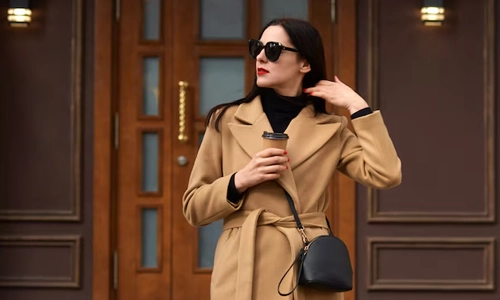
Luxury resale isn’t just retailer-driven — it resonates with shoppers, especially younger generations. Gen Z and Millennials are deeply conscious of sustainability, transparency, and value — and resale checks all three boxes.
They’re not just buying pre-loved fashion because it’s cheaper — they’re doing it because it fits their values and gives their closets meaningful longevity. Vintage or preloved Gucci, Chanel, Rolex, and Hermès pieces aren’t just stylistic statements — they’re sustainable ones.
How Resale Is Reshaping Style
1. Pre-Loved Is Aspirational
Luxury resale isn’t a departure from high fashion — it’s now an extension of it. Vintage treasures like classic handbags and rare jewelry have become style icons in their own right.
2. Sustainability Meets Exclusivity
Second-hand luxury combines exclusivity and eco-awareness. Rare pieces remain collectible and climate-conscious.
3. Circular Fashion = Smart Investment
Many luxury pieces retain or even increase in value on resale platforms — especially watches and handbags that behave more like investment assets than disposable goods.
4. Brands Are Responding
Some fashion houses are introducing certified resale programs to protect authenticity, sustainability, and brand identity — a direct nod to changing consumer priorities.
FAQs
What does luxury resale reshaping fashion mean?
It refers to how second-hand luxury purchases influence sustainability, consumer behavior, and style norms in fashion.
Is second-hand luxury better for the environment?
Yes. By reducing new production and extending product lifecycles, resale helps lower carbon and water footprints.
Why are consumers drawn to luxury resale?
Beyond price, shoppers choose resale for sustainability, authenticity, and access to rare or vintage pieces.
Luxury resale is no longer fringe — it’s foundational. The idea that a preloved piece can be more stylish, meaningful, and sustainable than a brand-new one is reshaping not just closets, but the fashion industry itself.
In a world where “less waste, more style” is the new mantra, luxury resale is proving that the past can be the most fashionable future of all.
Also read: The World Cup Fashion Collaborations That Stole the Show