Prevent Shoes From Rubbing Heels Without Pain
The secret to knowing how to prevent shoes from rubbing heels is to reduce friction, secure your heel inside the shoe, and protect sensitive skin before irritation begins. A pair of well-positioned heel grips, soft blister patches, or moisture-wicking socks can make a noticeable difference without changing your outfit.
After all, those gorgeous leather loafers, pointed-toe pumps, and sleek ankle boots should make you feel confident, not leave you counting the minutes until you can take them off. Whether you're breaking in new shoes or struggling with a favorite pair, these practical fixes can help you enjoy your footwear more comfortably.
Why Do Shoes Rub Against the Back of Your Heels?
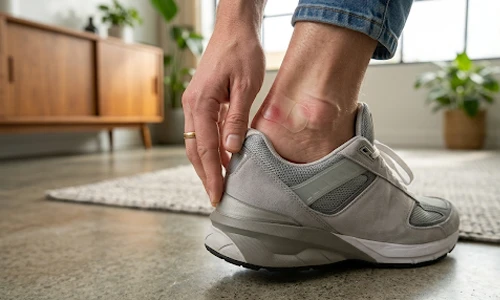
Before choosing a solution, identify what's causing the friction. Shoes commonly rub against the back of your heels because of:
- Incorrect sizing: Loose shoes allow your heels to slide with every step, while tight shoes create pressure.
- Stiff heel counters: New leather shoes and structured boots may have rigid backs that irritate the skin.
- Rough seams: Uneven stitching or shoe lining can create uncomfortable friction.
- Moisture and sweat: Damp skin can become more vulnerable to rubbing and blister formation.
- Poor heel support: Shoes without a secure fit allow repeated movement inside the heel area.
How to Prevent Shoes From Rubbing Heels With These 5 Easy Fixes
1. Add Cushioned Heel Grips
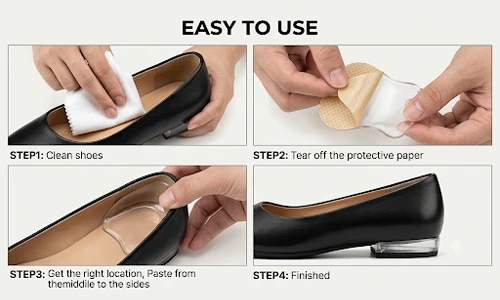
Heel grips are one of the easiest ways to improve the fit of shoes that slip slightly at the back. These adhesive cushions sit inside the heel counter, creating a softer contact surface and helping reduce unnecessary movement.
Best for: Loafers, pumps, ballet flats, and formal shoes.
2. Protect Sensitive Areas With Blister Patches
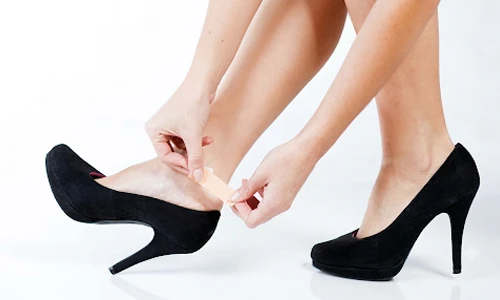
If you notice redness or tenderness, protect the area before putting your shoes back on. Hydrocolloid blister dressings or suitable protective bandages can shield irritated skin from additional friction.
Best for: New shoes, long walks, weddings, and occasions involving extended standing.
3. Choose Socks That Reduce Friction
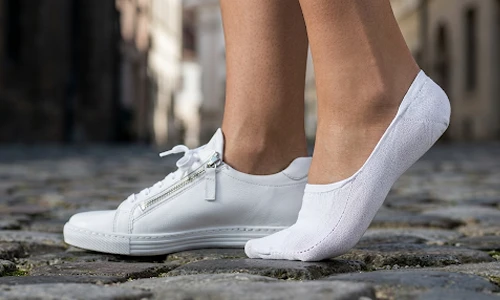
The right socks can make a bigger difference than you might expect. Look for moisture-wicking materials, comfortable seams, and heel coverage. Cotton can retain moisture, so consider suitable synthetic or other moisture-managing fabrics when walking for extended periods.
Best for: Sneakers, boots, casual loafers, and everyday footwear.
4. Break In New Shoes Gradually
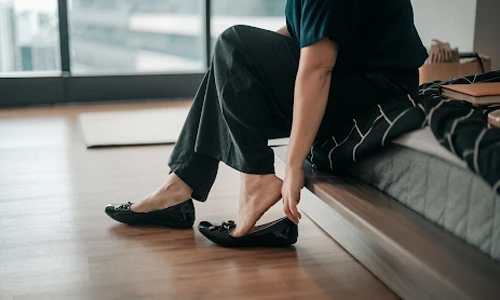
A beautiful new pair of leather shoes may need time to become comfortable. However, you don't need to endure painful rubbing to break them in. Try wearing them indoors for short periods before taking them out for a full day. Gradually increase the wearing time if they remain comfortable.
Best for: Leather pumps, boots, structured flats, and new formal shoes.
5. Check the Fit Before Wearing Them Out
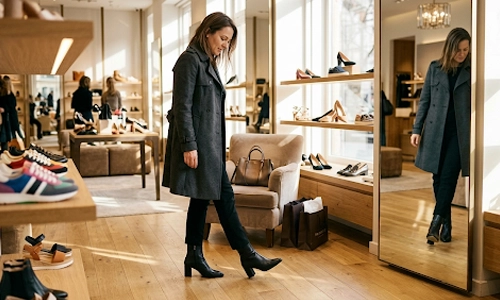
Sometimes the problem isn't the material. It's the fit. Your heel should feel secure without being squeezed. If it slips repeatedly or the shoe presses against the back of your ankle, padding alone may not fix it. Try adjusting laces, checking the shoe size, or considering a different heel shape.
Best for: Sneakers, ankle boots, slingbacks, and everyday shoes.
What Should You Do If Your Shoes Have Already Caused Blisters?
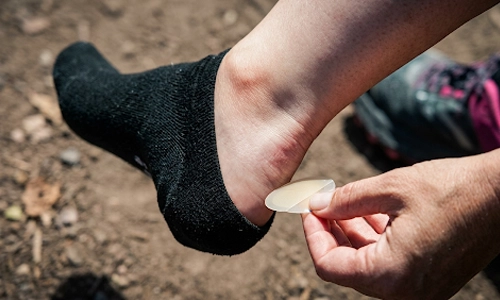
If your heels are already irritated, give the skin time to recover.
- Stop wearing the footwear responsible for the rubbing.
- Keep the affected area clean and protected.
- Cover an intact blister with an appropriate dressing.
- Avoid popping blisters or peeling away loose skin.
- Seek medical advice if you notice increasing redness, warmth, swelling, pus, or worsening pain.
Frequently Asked Questions
1. Why do new shoes rub the back of my heels?
Stiff heel counters, rough seams, and an imperfect fit can create repeated friction against your skin.
2. Do heel grips stop shoes from rubbing?
They can help reduce heel movement and cushion contact between your foot and the shoe.
3. Can petroleum jelly prevent heel blisters?
It may help reduce friction on intact skin, but it isn't a substitute for correcting an uncomfortable shoe fit.
4. Should I wear thick socks with new shoes?
Not necessarily. Choose comfortable, moisture-wicking socks that fit your shoes without making them too tight.
5. How long should I break in new shoes?
Start with short indoor sessions and gradually increase wear as comfort allows. Stop if rubbing or pain develops.
6. Should I continue wearing shoes that cause blisters?
No. Stop wearing them until the skin heals, then address the fit or friction issue before trying again.
Style should never come at the expense of comfort. Whether you're slipping into elegant pumps for an evening out or reaching for your everyday sneakers, a few thoughtful adjustments can make your favorite footwear much easier to wear.
Choose the right heel grips, protect sensitive skin, and pay attention to fit. Your most stylish outfits deserve shoes that feel as good as they look.