Is Viscose Bad for Sustainability? The Truth Fashion Ignores
Viscose, a fabric beloved for its soft drape and luxurious feel, is a staple in many wardrobes. However, the fashion industry's love affair with viscose comes at a hidden cost: deforestation. An estimated 300 million trees are cut down every year to produce this popular material, raising concerns about the environmental impact of our clothing choices.
This blog post dives into the world of viscose, exploring its connection to deforestation and the rise of sustainable alternatives. We'll empower you to make informed decisions about the clothes you wear and navigate the exciting world of eco-conscious fashion.
What is Viscose and How is it Made?
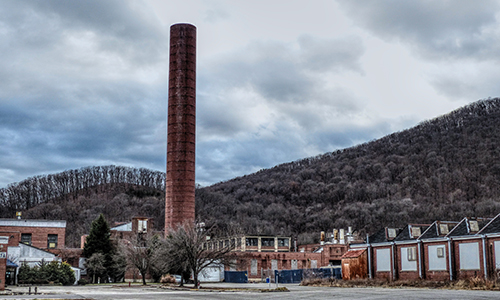
Viscose, also known as rayon, is a regenerated cellulose fiber. Unlike synthetic fibers like polyester, viscose is derived from natural materials, primarily wood pulp. While this may sound eco-friendly, the source of that wood pulp is the critical factor.
The problem lies in sourcing wood pulp from ancient or endangered forests. These irreplaceable ecosystems play a vital role in regulating the climate, providing habitat for countless species, and storing vast amounts of carbon. When these forests are cleared for pulp production, it contributes to deforestation, a major environmental threat.
The Devastating Impact of Deforestation
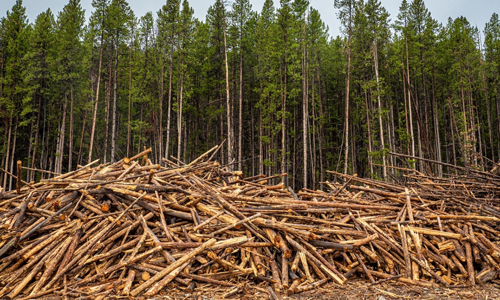
Deforestation has a domino effect on our planet's health. Here are some of the consequences:
Loss of Biodiversity
Rainforests are teeming with life. When forests are destroyed, countless plant and animal species lose their homes, pushing some towards extinction.
Climate Change
Trees act as carbon sinks, absorbing carbon dioxide from the atmosphere. Deforestation releases this stored carbon back into the air, accelerating climate change.
Soil Erosion
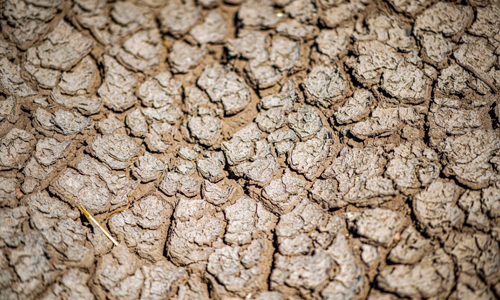
Forests play a crucial role in preventing soil erosion. Without trees, topsoil washes away, reducing agricultural productivity and harming ecosystems.
Disrupted Water Cycles
Forests help regulate rainfall patterns. Deforestation disrupts these cycles, leading to more extreme weather events like floods and droughts.
Sustainable Viscose: A Fashion Revolution
Thankfully, the fashion industry is waking up to the environmental cost of conventional viscose production. A growing movement is pushing for sustainable viscose alternatives. Here are some key solutions:
Certified Wood Pulp
Independent certification programs like FSC (Forest Stewardship Council) ensure wood pulp comes from responsibly managed forests. These forests are harvested in a way that minimizes environmental impact and promotes long-term sustainability.
Recycled Materials
Viscose can be made from recycled materials like post-consumer waste or textile scraps. This reduces reliance on virgin trees and promotes a more circular economy in the fashion industry.
Alternative Fibers
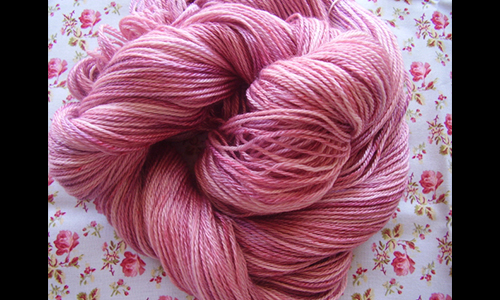
Several innovative materials are emerging as sustainable alternatives to viscose. These include Tencel (a form of lyocell made from sustainably sourced wood pulp) and bamboo viscose (though concerns remain about the sustainability of large-scale bamboo production).
Making Eco-Conscious Fashion Choices
As consumers, we have the power to drive change in the fashion industry. Here's how you can make a difference:
Look for Sustainable Viscose
Check clothing labels for certifications like FSC or recycled content. Brands committed to sustainability will often highlight these practices.
Embrace Second-Hand Fashion
Give pre-loved clothes a new lease on life by shopping at thrift stores or online platforms. This reduces demand for new clothing production, including viscose.
Invest in Quality Pieces
Buy clothes you'll love and wear for years to come. This reduces the need for frequent clothing purchases and minimizes the environmental impact of your wardrobe.
Support Sustainable Brands
Research brands committed to ethical and sustainable practices throughout their supply chain. Look for brands that use certified wood pulp or recycled materials for viscose production.
The Future of Fashion is Sustainable
The fashion industry is undergoing a transformation. Consumers are demanding more transparency and accountability from brands, and sustainability is becoming a top priority. By making informed choices and supporting sustainable brands, we can ensure the future of fashion is one that protects our planet's precious resources.
FAQs
1. Is viscose bad for sustainability?
Yes, traditional viscose production raises sustainability issues due to deforestation, chemical processing, and high water use. However, responsibly sourced viscose (like FSC-certified or closed-loop lyocell) is much safer.
2. Why does viscose contribute to deforestation?
Many viscose producers source wood pulp from endangered or illegally logged forests, especially in Indonesia, Brazil, and parts of South Asia. This deforestation harms biodiversity and accelerates carbon emissions.
3. Is viscose biodegradable?
Viscose is technically biodegradable because it is derived from cellulose. However, the chemicals used during production can hinder proper biodegradation and create harmful byproducts.
4. Is viscose more eco-friendly than polyester?
Viscose is less fossil-fuel–intensive than polyester, but its chemical and deforestation impacts can make it equally problematic unless sourced sustainably.
5. How can I identify sustainable viscose?
Look for labels such as FSC-certified, TENCEL™, EcoVero™, or closed-loop viscose, which indicate responsible sourcing and reduced environmental harm.
6. What are the best alternatives to viscose?
Lyocell (TENCEL™), modal, bamboo lyocell, organic cotton, and recycled fibers offer similar softness without the heavy environmental footprint.
7. Is viscose harmful to the environment?
Viscose can harm the environment when produced using unsafe chemicals or non-sustainable wood pulp. Sustainable certifications reduce this impact significantly.
8. Does viscose cause pollution?
Yes. Conventional viscose manufacturing releases hazardous chemicals such as carbon disulfide and sodium hydroxide into waterways and air if not regulated.
9. Is viscose sustainable in 2026 and beyond?
It depends on the source. Brands using closed-loop processes and certified pulp make viscose far more sustainable than the fast-fashion version used widely today.
10. Which fabrics are better than viscose for eco-friendly fashion?
TENCEL™, organic cotton, hemp, and recycled fibers usually have a lower environmental footprint and are considered more responsible.
11. Why do fashion brands still use viscose?
Because it drapes beautifully, feels silky, and costs less to produce than silk or lyocell. Its aesthetic appeal keeps it popular—even when sustainability concerns exist.