Why Blush Disappears After a Few Hours and How to Fix It
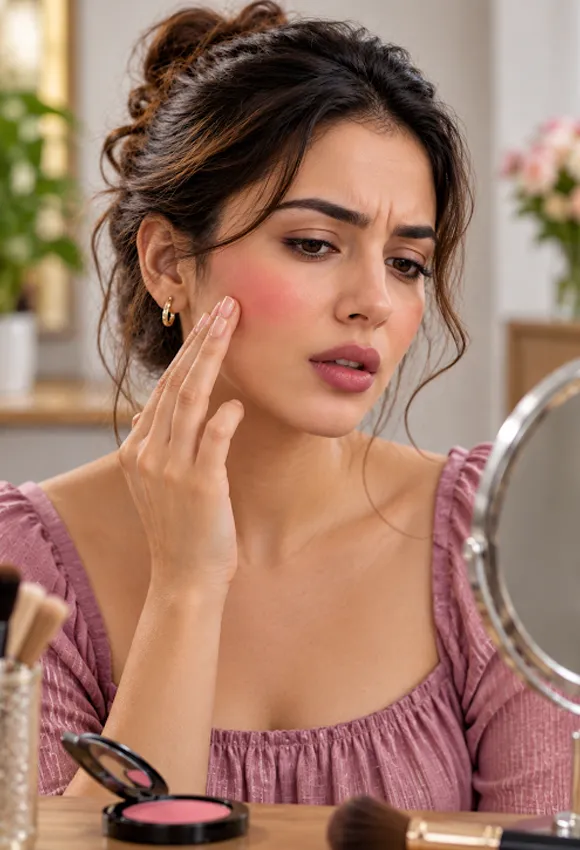
You apply your favourite rosy blush, blend it perfectly, and step out with a fresh, healthy-looking glow. But a few hours later, your cheeks look almost bare. So, why blush disappears even when you use a good-quality product? The answer often lies in your skin's natural oils, skincare preparation, blush formula, and application technique.
The good news is that you don't necessarily need another expensive blush. A few thoughtful changes to your makeup routine can help your cheek colour stay fresh for longer.
Why Blush Disappears After a Few Hours
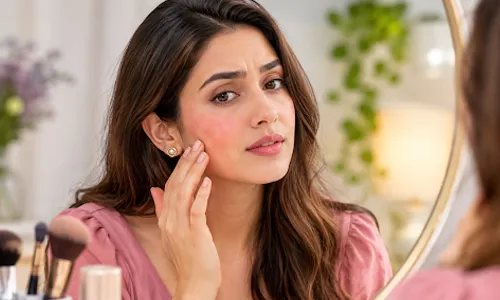
Blush can fade because natural skin oils, sweat, facial movement and friction gradually disturb the pigment. Sometimes, the problem starts even before you apply your makeup. Here are five common reasons:
- Excess skin oil: Natural oils can interfere with the makeup sitting on your cheeks, particularly when you use a creamy formula without setting it.
- Incorrect skincare preparation: Heavy moisturizers or products that leave a slippery surface can make blush move around instead of settling evenly.
- Wrong product combination: Applying powder blush over a wet or tacky foundation can create uneven patches. Cream and powder products need the right layering order.
- Over-blending: Too much blending can distribute the pigment so thinly that the colour becomes barely visible.
- Everyday friction: Touching your face, resting your cheek against your hand, wearing a mask or pressing your phone against your skin can gradually remove makeup.
How Can You Make Blush Last Longer?
You don't need a complicated 10-step makeup routine. Focus on these five adjustments:
1. Prepare Your Skin Properly

Start with clean, moisturized skin. Allow your moisturizer and sunscreen to settle before applying makeup. If your cheeks feel excessively slippery, gently blot away the extra product.
2. Choose a Primer That Suits Your Skin
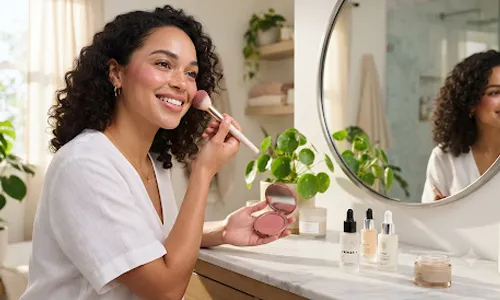
A mattifying primer can help oily areas feel less slippery, while a lightweight hydrating primer can work better for dry skin. Apply it mainly where your blush will sit.
3. Apply Blush in Thin Layers

Instead of applying a large amount at once, start with a small quantity and gradually build the colour. This creates a more natural finish without unnecessary product buildup.
4. Set Your Blush Strategically
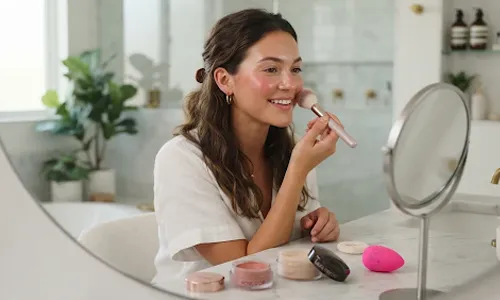
For cream or liquid blush, try a light layer of translucent powder or a matching powder blush on top. Press gently rather than sweeping your brush across the cheeks.
5. Finish with Setting Spray

A suitable setting spray can help your makeup layers wear more evenly. Follow the product instructions and allow it to dry naturally.
Which Blush Formula Should You Choose for Your Skin Type?

Not every blush formula behaves the same way. Your skin type and preferred finish should influence your choice.
- Oily skin: Try a long-wearing powder, stain or cream-to-powder formula. Blot excess shine before touching up.
- Dry skin: Cream and liquid blushes can provide a softer, more hydrated-looking finish. Avoid excessive powder.
- Combination skin: Try a lightweight liquid blush or a thin cream layer with selective powder setting.
- Normal skin: Experiment with cream, liquid and powder formulas depending on your preferred finish.
Remember, no formula guarantees all-day wear. Pigmentation, application, skincare and environmental conditions all influence how a blush performs.
The Three-Checkpoint Blush Test You Should Try

Want to understand why your favourite blush keeps disappearing? Try this simple experiment before changing products.
- At application: Take a photograph in natural light immediately after applying blush.
- After three hours: Check whether the colour has faded evenly, become patchy or disappeared around the centre of your cheeks.
- After six hours: Compare the result and note whether oil, sweat, touching or makeup transfer might have contributed.
Keep your skincare and makeup routine consistent during the test. This makes it easier to identify which step needs changing. You can even repeat the experiment on another day using a different blush formula.
Frequently Asked Questions
1. Why does my blush disappear so quickly?
Excess oil, sweat, friction, unsuitable formulas and incorrect application can all contribute to fading.
2. Does powder blush last longer than cream blush?
Not always. Wear time depends on the formula, skin type and application technique.
3. Should I apply powder before or after blush?
Cream and liquid blush generally go before powder. Powder blush can be applied after your complexion base has settled.
4. Is liquid blush better for oily skin?
It can work, but long-wearing stains and powder formulas may also be suitable. Choose based on how the product wears on your skin.
5. Does setting spray prevent blush from fading?
Setting spray can help improve makeup wear, but it cannot guarantee that blush will remain unchanged throughout the day.
6. How can I refresh faded blush without ruining my makeup?
Blot excess oil first, then gently press a small amount of blush onto the faded areas.
Blush should bring your makeup together, not leave you checking your reflection every two hours. If your favourite rosy colour keeps disappearing, look at your skincare preparation, product combination and application technique before replacing your makeup collection.
Experiment with lighter layers, choose a formula that works with your skin, and give your blush a little time to settle. Because the prettiest flush isn't necessarily the brightest one. It's the one that still makes you feel polished when the day gets busy.