Beyond the Label: Decoding “Ethically Sourced” in Beauty
In today's beauty landscape, "ethically sourced" has become a buzzword. But what does it truly signify? With increasing consumer awareness about the environmental and social impact of beauty products and makeup, brands are highlighting ethical sourcing practices. However, navigating these claims can be confusing. This blog aims to demystify "ethically sourced" in beauty, empowering you to make informed choices that align with your values.
The Ethical Sourcing Spectrum: What it Encompasses
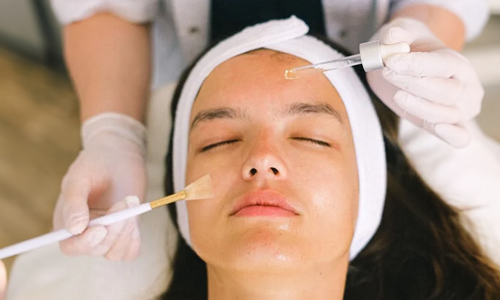
Ethical sourcing in beauty is a multifaceted concept that goes beyond simply using natural ingredients. It encompasses a holistic approach that considers:
Fair Labor Practices
This ensures fair wages, safe working conditions, and no exploitation of workers throughout the supply chain, from farmers harvesting ingredients to factory workers processing them.
Sustainable Practices
This focuses on minimizing environmental impact during ingredient sourcing. It includes practices like responsible water usage, minimizing deforestation, and using renewable resources.
Animal Welfare
This ensures animals involved in ingredient production (like beeswax or milk) are treated humanely and not subjected to cruelty.
Community Development
This involves supporting the communities that cultivate the ingredients, ensuring fair prices for their products and promoting social responsibility.
Transparency is Key: Certifications and Verification
With various ethical sourcing claims, navigating the beauty aisle can be overwhelming. Here's where certifications and third-party verification come in:
Fair Trade Certifications
Look for labels like Fairtrade International or Fair for Life that ensure fair wages and working conditions for producers.
Organic & Natural Certifications
While not a direct indicator of ethical sourcing, certifications like USDA Organic or COSMOS Organic often imply responsible farming practices.
Cruelty-Free Certifications
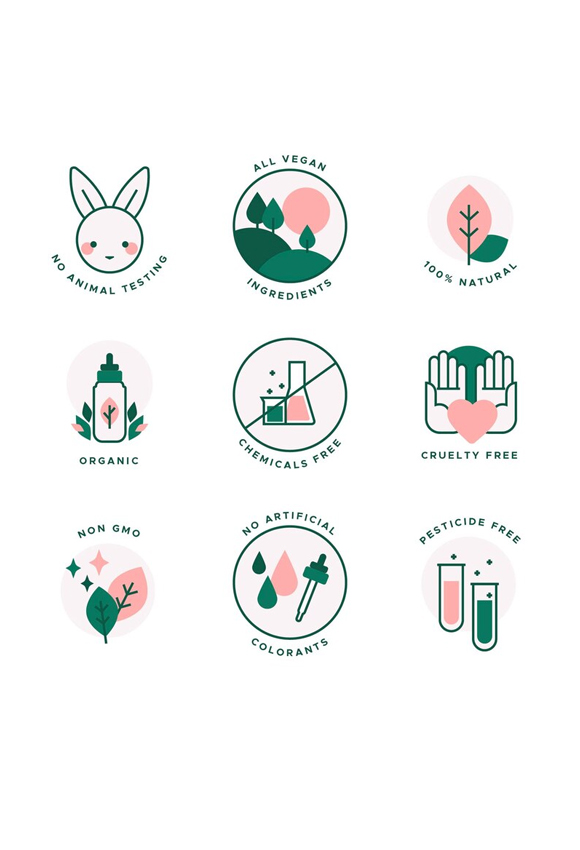
Certifications like Leaping Bunny or Cruelty-Free International guarantee no animal testing throughout the production process.
Beyond Labels: Researching Brands & Asking Questions
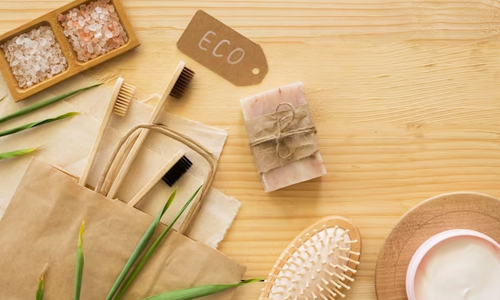
Don't solely rely on certifications. Conduct your own research to understand a brand's ethical sourcing practices. Here are some tips:
Visit the brand website
Look for a dedicated section on sustainability or ethical sourcing policies.
Read customer reviews
See if other consumers have inquired about ethical sourcing.
Contact the brand directly
Don't hesitate to ask questions about their sourcing practices and supply chain transparency.
Ethical Beauty on a Budget: Making Conscious Choices
While ethically sourced beauty products can sometimes come at a premium, there are ways to incorporate conscious beauty into your routine without breaking the bank:
Support local brands
Local and independent beauty brands often have more control over their supply chains and might prioritize ethical practices.
Embrace minimalism
Focus on a curated selection of high-quality, ethically sourced products instead of a large collection.
DIY Beauty
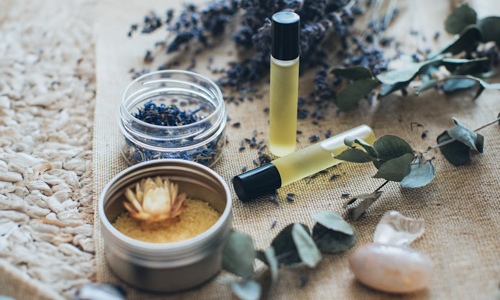
Consider making your own beauty products with ethically sourced ingredients, allowing you complete control over the sourcing process.
The Power of Your Purchase: Building a More Ethical Beauty Future
By choosing ethically sourced beauty products, you're not just making a personal choice; you're contributing to a larger movement. Here's what your conscious beauty choices can achieve:
Empowering Communities
Fair trade practices ensure farmers and workers receive fair compensation, improving their livelihoods.
Environmental Sustainability
Sustainable ingredient sourcing helps conserve natural resources and minimizes environmental damage.
Promoting Animal Welfare
Cruelty-free beauty encourages ethical treatment of animals in the industry.
Understanding "ethically sourced" in beauty can be a continuous learning process. Don't be discouraged if you can't find the perfect ethical match for every product in your routine. Start small, make informed choices, and support brands that align with your values. Together, we can shape a more ethical and sustainable future for the beauty industry.
Frequently Asked Questions (FAQ)
1. What is the difference between "ethically sourced" and "natural" in beauty products?
"Ethically sourced" covers the practices (fair labor, sustainability) used to get ingredients. "Natural" refers to the ingredient's composition (derived from nature). An ingredient can be natural but unethically sourced.
2. What are the key elements of the ethical sourcing spectrum?
It's holistic: Fair Labor Practices, Sustainable Practices, Animal Welfare, and Community Development. It ensures the entire supply chain is responsible, from farm to factory.
3. How do I know if a beauty brand's ethical claims are genuine?
Look for third-party certifications like Fairtrade or Leaping Bunny. Also, check the brand's website for clear, detailed policies on sustainability and supply chain transparency.
4. Are ethically sourced beauty products always more expensive?
Not always. You can support local brands, adopt beauty minimalism, or try DIY beauty with ethically sourced ingredients to incorporate conscious choices into your routine affordably.
5. What are some common certifications to look for?
Key certifications include Fairtrade International (labor), Leaping Bunny (cruelty-free), and COSMOS Organic (responsible farming). These badges help verify a brand’s claims.
6. Is "sustainable" the same as "ethically sourced"?
No, while closely related, they are distinct. Sustainable sourcing focuses primarily on environmental longevity and minimizing ecological impact. Ethically sourced is a broader term that encompasses sustainability plus social factors like fair labor and community welfare. A truly ethical product should be both sustainable and socially responsible.
7. What are some examples of unethically sourced ingredients in the beauty industry?
Historically, certain popular ingredients have raised ethical flags, mainly concerning the supply chain. Examples include mica (a shimmery mineral) due to past concerns about child labor in some sourcing regions, and palm oil due to massive deforestation linked to some unsustainable farming practices. Ethical brands are careful to ensure certified, ethical supply chains for these ingredients.
8. What is the Leaping Bunny certification?
The Leaping Bunny is one of the most recognized third-party certifications for cruelty-free beauty products. A company with this certification guarantees that neither the final product nor any of its ingredients have been tested on animals at any point in the supply chain.
How does my choice of ethically sourced beauty products benefit communities?
When you buy a Fair Trade or ethically sourced product, a portion of the price goes directly to ensuring the farmers and workers in the supply chain receive fair compensation, better working conditions, and support for community development projects, directly improving their quality of life.