
How to Prevent Secondhand Clothes From Smelling Like Storage
Secondhand fashion deserves a fresh start. To prevent secondhand clothes from smelling like storage, inspect each garment, clean it according to its fabric, let it dry completely, and store it in a cool, well-ventilated space. These simple steps help remove lingering odors without compromising the charm of your thrifted finds.
Whether you've discovered a gorgeous vintage blazer, a perfectly worn denim jacket, or a silk blouse at a thrift store, an unpleasant storage smell shouldn't ruin the excitement. Here's how to give pre-loved pieces a proper refresh and keep them smelling clean.
Why Do Secondhand Clothes Smell Like Storage?
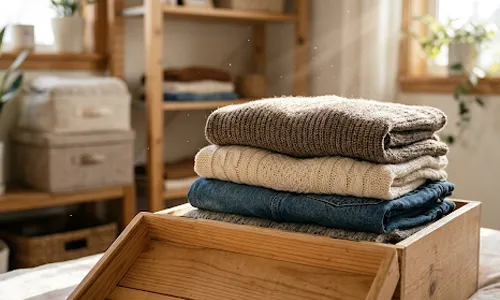
That familiar musty smell usually has more to do with storage conditions than the garment's age. Clothes kept in enclosed spaces can absorb moisture, dust, smoke, and surrounding odors. Poor ventilation and humidity can also encourage mold and mildew growth, particularly on natural fibers such as cotton, linen, wool, and silk.
Other possible sources include:
- Old detergent residue: Product buildup can leave a stale smell.
- Body oils and perspiration: Residue can linger around collars and underarms.
- Plastic packaging: Enclosed packaging can trap existing odors and moisture.
- Damp wardrobes: Poor airflow can make stored garments smell musty.
The first step is identifying the source rather than simply covering it with fragrance.
Prevent Secondhand Clothes From Smelling Like Storage
1. Air Out Your Thrifted Finds First

Before washing anything, take your new-to-you clothes out of shopping bags and give them room to breathe. Hang suitable garments on a clean hanger in a well-ventilated, shaded area. Allow enough time for trapped odors to dissipate. Avoid leaving delicate fabrics in harsh direct sunlight, as some dyes and fibers can fade or weaken.
Pay particular attention to:
- Vintage jackets and coats
- Denim and cotton shirts
- Wool sweaters
- Structured blazers
Airing is a useful first step, but it isn't a substitute for cleaning a garment that needs washing.
2. Wash According to the Fabric
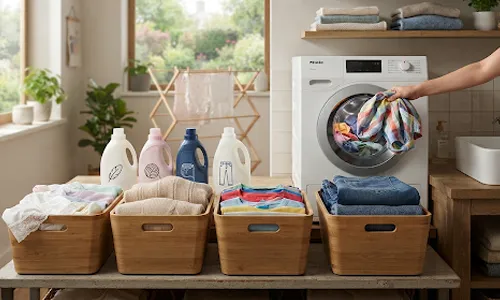
Not every secondhand find belongs in the washing machine. Check the care label before choosing a cleaning method. Here's a quick fabric-care guide:
| Fabric | Recommended care |
| Cotton | Machine wash if the label permits |
| Denim | Wash inside out on a suitable gentle cycle |
| Wool | Use appropriate wool care or professional cleaning |
| Silk | Follow the care label; consider professional cleaning |
| Polyester | Machine wash according to instructions |
| Leather and suede | Use specialist cleaning |
Use the correct amount of mild detergent. Too much detergent can leave residue behind, which may contribute to unpleasant smells. For delicate vintage pieces, avoid experimenting with strong cleaning solutions. A professional cleaner is often the safer choice.
3. Pay Attention to Problem Areas
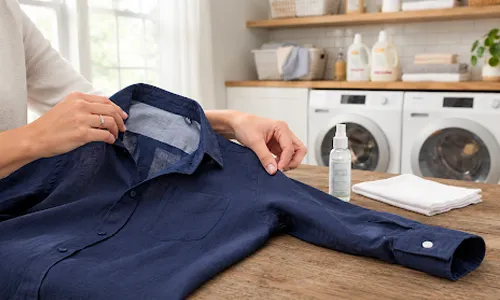
Some parts of a garment hold onto odors more stubbornly than others. Before washing, inspect:
- Underarm seams
- Shirt collars
- Inner jacket linings
- Pockets
- Waistbands and cuffs
If you notice a persistent smell in one area, spot-test an appropriate fabric-safe cleaning method on a hidden section first. Never scrub fragile embroidery, lace, beading, or aged fabric aggressively.
4. Dry Every Garment Completely

This is one of the most important steps. Even a beautifully cleaned garment can develop a musty smell if it is folded or packed while damp. After washing:
- Remove excess water without twisting delicate fabrics.
- Use a drying method suitable for the material.
- Leave enough space between garments for airflow.
- Check thick seams, pockets, waistbands, and linings.
- Make sure every part is completely dry before storing.
Avoid rushing the process by putting slightly damp clothes straight into a wardrobe.
5. Store Clothes in Breathable Spaces

Once your clothes are clean and dry, think about where they will live. Choose storage solutions that protect the garments without trapping unnecessary moisture. A few useful options include:
- Cotton garment bags: Useful for protecting suitable clothing while allowing airflow.
- Fabric storage organizers: Great for folded everyday pieces.
- Clean wooden hangers: Help maintain the shape of structured garments.
- Drawer organizers: Keep smaller pieces separated and easier to access.
Avoid sealing garments in plastic for long-term storage unless the packaging is specifically appropriate for that textile and storage condition.
6. Keep Your Wardrobe Fresh Without Overpowering Fragrance

A fresh-smelling wardrobe doesn't need to smell like a perfume counter. Try these simple maintenance habits:
- Keep wardrobes clean and dry.
- Avoid overcrowding shelves and hanging rails.
- Use suitable moisture-control products where humidity is a concern.
- Air out stored garments periodically.
- Remove worn or damp clothing instead of returning it directly to storage.
Scented sachets can add a subtle fragrance, but they won't solve a moisture or mildew problem. Address the source first.
What Should You Avoid When Freshening Secondhand Clothes?
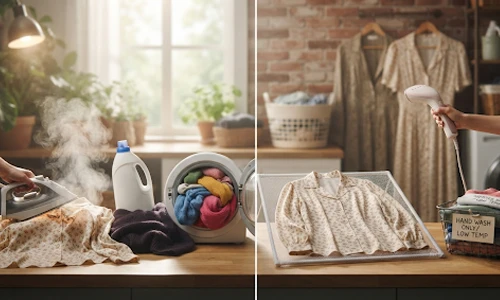
A little enthusiasm can sometimes do more harm than good, especially with vintage clothing. Avoid these common mistakes:
- Spraying excessive perfume: It can mix with existing odors instead of removing them.
- Using hot water indiscriminately: Heat can shrink or damage certain fabrics.
- Mixing cleaning products: Combining household chemicals can create dangerous reactions.
- Storing clothes before they dry: Trapped moisture encourages musty odors.
- Using baking soda or vinegar without checking compatibility: Home remedies aren't suitable for every fabric, dye, or finish.
If a garment has visible mold, extensive mildew damage, or a persistent musty smell, isolate it from the rest of your wardrobe and seek appropriate professional advice.
FAQs
1. Why do thrifted clothes smell musty?
They may have absorbed moisture, dust, smoke, or odors from prolonged storage.
2. Should you wash secondhand clothes before wearing them?
Yes, when the garment's care instructions allow it. Delicate pieces may require professional cleaning.
3. Does airing clothes remove storage smells?
Airing can reduce some trapped odors, but persistent smells may require appropriate cleaning.
4. Can perfume remove musty smells from clothes?
No. Perfume can mask an odor temporarily but won't address its underlying cause.
5. How do you store vintage clothes without odors?
Clean and dry them properly before storing them in a suitable, clean, well-ventilated space.
6. Why do clothes smell musty even after washing?
Possible reasons include lingering residue, incomplete drying, persistent contamination, or a damp washing and storage environment.
Secondhand fashion is about finding pieces with character, not bringing unwanted storage smells into your wardrobe. A little patience, fabric-conscious cleaning, and thoughtful storage can make a remarkable difference.
The next time you discover a beautiful pre-loved piece, don't let a musty smell put you off immediately. Give it the right care, let the fabric breathe, and make room for something special in your wardrobe.