
Smart Clothes: When Fashion Meets Your Fitbit
Gone are the days when your smartwatch was the only tech you wore. Fashion is experiencing a quiet revolution where garments themselves are becoming intelligent, equipped with sensors that monitor everything from your posture to your mood. Welcome to the era of smart clothes—where style meets Silicon Valley.
Runway Pioneers Leading the Revolution

The concept isn't as futuristic as it sounds. Tommy Hilfiger has released a range of "smart clothing" that contains inbuilt Bluetooth chips, allowing the item's movements to be tracked and users to be rewarded for wearing them. Their Tommy Jeans Xplore collection transforms ordinary pieces into data-collecting fashion statements, rewarding wearers for activity through a gamified app experience.
But Tommy Hilfiger isn't alone in this space. CuteCircuit, a pioneer in this field, interweaves leading-edge fashion design with emerging technologies and smart fabrics to create fashion designs that not only look beautiful but also feature magical interactive capabilities. The brand has created the Hug Shirt, a shirt that utilizes Bluetooth and motion sensor technology to enable the wearer to send and receive hugs remotely, as well as the Twitter dress, an LED-embedded, USB-rechargeable garment that displays tweets in real-time.
Beyond Activity Tracking: The Tech That Responds
The technology goes beyond simple activity tracking. CuteCircuit's haute couture pieces feature Graphene-enhanced stretch sensors that capture the wearer's breathing pattern, transforming biometric data into beautiful, responsive fashion. Smart sensors can detect surrounding light levels and automatically activate glowing elements in garments, creating clothes that literally light up the room.
Why Smart Clothes Beat Wearable Tech
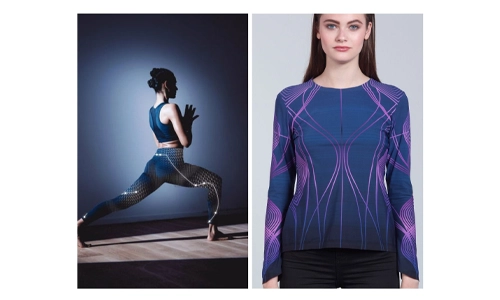
The appeal extends beyond novelty. These sensor-embedded garments offer practical benefits that traditional fitness trackers can't match. Unlike wearable devices that you can forget to charge or leave at home, smart clothing provides seamless, continuous monitoring. Your shirt becomes your personal health assistant, tracking posture during long work days or monitoring stress levels through breathing patterns.
For fashion-forward consumers, smart clothes solve the eternal style versus function dilemma. Why compromise on aesthetics when your blazer can monitor your heart rate during that important presentation? Why choose between looking chic and staying connected when your dress can display notifications through subtle LED patterns?
The Invisible Integration
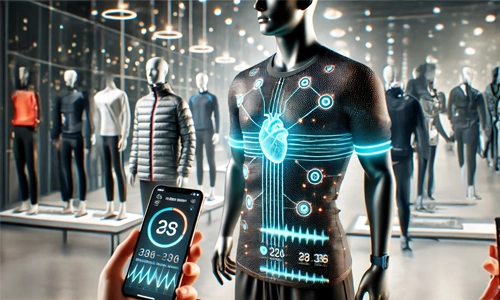
Many luxury fashion brands are making inroads in wearable tech, integrating smart sensors and software into stylish clothing. The integration is becoming so sophisticated that you might not even realize you're wearing technology. Sensors are woven directly into fabrics, creating garments that look and feel completely normal while quietly collecting data about your day.
Fashion's Functional Future

The runway applications are particularly exciting. Designers are thinking about how tech could be incorporated into fashion in utilitarian ways, such as a backpack or windbreaker outfitted with turn signals activated by sensors in the sleeve for cyclists. Fashion becomes functional in entirely new ways, with safety and connectivity built into the very fabric of what we wear.
As this technology evolves, expect to see garments that adapt to environmental conditions—jackets that automatically adjust temperature, dresses that change color based on air quality, or accessories that provide navigation through subtle vibrations. The future of fashion isn't just about looking good; it's about clothes that actively enhance your life.
Smart clothing represents fashion's next evolutionary leap, where style and technology merge so seamlessly that the distinction between them becomes virtually indistinguishable. Your wardrobe isn't just getting smarter—it's becoming an extension of your digital life, wrapped in beautiful, wearable form.