What Is A Ball Gown? The Timeless Dress Of Grand Elegance
Some dresses whisper elegance. A ball gown announces it. Few silhouettes in fashion history carry the same sense of grandeur, drama, and romance as this iconic evening dress. From royal courts to modern red carpets, the ball gown has remained the ultimate symbol of occasion dressing. If you've ever admired sweeping skirts gliding across a ballroom floor or a couture masterpiece at a gala, chances are you were looking at a ball gown. So, what is a ball gown, exactly?
What Is A Ball Gown?
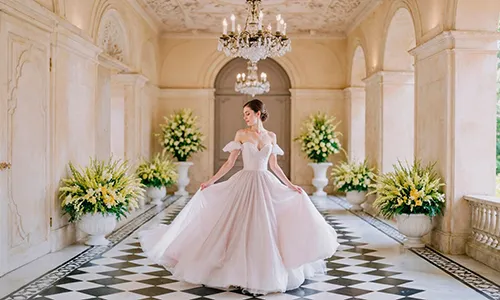
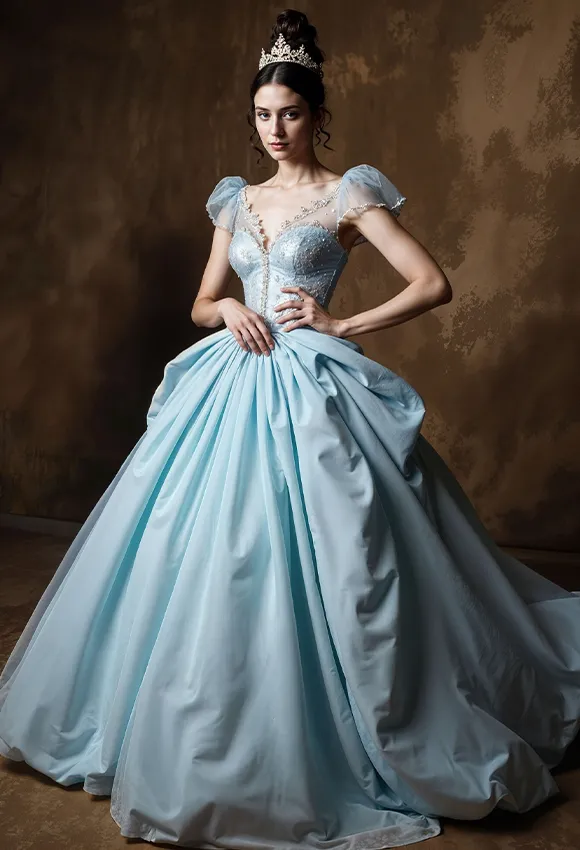
A ball gown is a formal evening dress defined by its fitted bodice and dramatically full skirt. The silhouette creates a striking hourglass shape, often accentuated by structured corsetry and voluminous layers of fabric beneath the skirt.
Traditionally worn to formal events such as balls, galas, and royal ceremonies, ball gowns are designed to make a grand entrance. Think sweeping hems, luxurious fabrics, and silhouettes that command attention.
The classic structure typically includes:
- A structured or corseted bodice
- A very full skirt, often supported by crinolines or petticoats
- Floor-length or sweeping hems
- Luxurious fabrics like satin, tulle, silk, or velvet
The result? A silhouette that feels both regal and theatrical.
The History Behind The Ball Gown
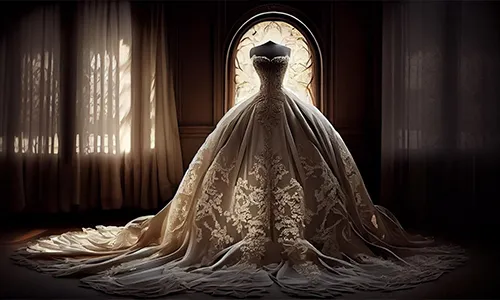
Ball gowns emerged in European high society during the 18th and 19th centuries, when elaborate social balls were central to aristocratic life. Women wore lavish gowns with wide skirts supported by hoops and crinolines to showcase wealth, status, and impeccable taste.
By the Victorian era, the ball gown had become a defining element of formal fashion. Designers experimented with layered skirts, intricate embroidery, and dramatic silhouettes.
Over time, couture houses refined the design, transforming it into the glamorous eveningwear staple we recognize today.
Key Features That Define A Ball Gown
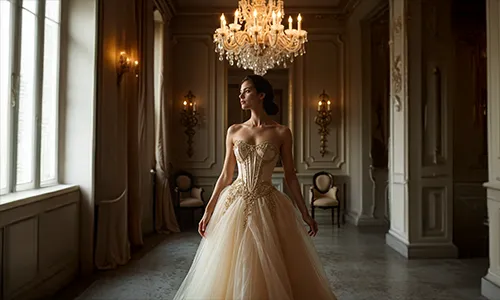
While ball gowns evolve with fashion trends, certain design elements remain timeless.
Dramatic Volume
The skirt is the star of the show. Layers of tulle, organza, or satin create the signature fullness that sets ball gowns apart from other evening dresses.
Fitted Bodice
The bodice is often structured or corseted to contrast with the expansive skirt, highlighting the waist.
Floor-Length Elegance
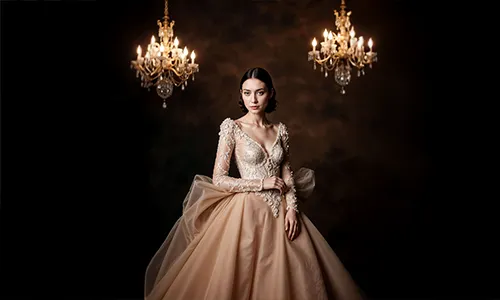
Ball gowns typically extend to the floor or even feature trains, enhancing their dramatic presence.
Luxurious Fabrics
Designers favor rich materials such as silk, satin, velvet, lace, and chiffon to elevate the gown’s opulent feel.
When Do You Wear A Ball Gown?
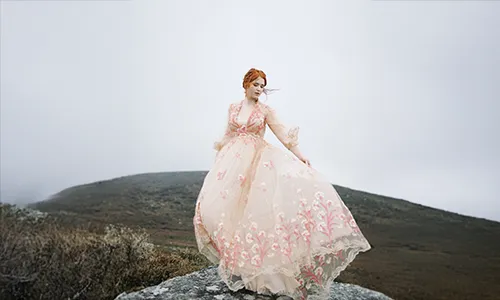
Ball gowns are reserved for the most formal occasions. These typically include:
- Black-tie galas
- Charity balls
- Royal ceremonies
- Opera premieres
- Formal weddings
- Red carpet events
In these settings, the ball gown becomes more than clothing. It transforms the wearer into the centerpiece of the evening.
FAQs
What is a ball gown used for?
A ball gown is typically worn to very formal events such as galas, balls, red carpet events, and formal weddings.
What makes a dress a ball gown?
A dress becomes a ball gown when it features a fitted bodice and a dramatically full, floor-length skirt.
Are ball gowns always strapless?
No. Ball gowns can include strapless, sleeved, off-shoulder, or halter neck designs depending on the designer and style.
Can ball gowns be modern or minimalist?
Yes. Many contemporary designers create minimalist ball gowns with clean lines while maintaining the iconic voluminous skirt.
What fabrics are commonly used in ball gowns?
Ball gowns are often made from luxurious fabrics such as silk, satin, velvet, tulle, organza, and lace.
Why Ball Gowns Remain A Fashion Icon
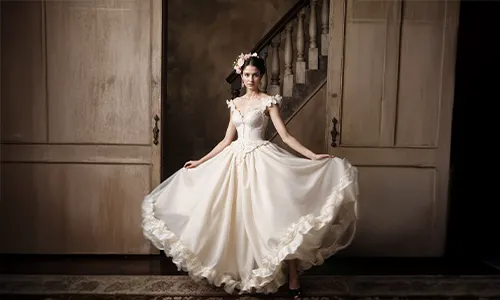
The enduring appeal of the ball gown lies in its ability to create spectacle. It celebrates craftsmanship, theatricality, and the fantasy side of fashion.
Even in an era that often favors minimalism, the ball gown reminds us that sometimes fashion is meant to be larger than life.
After all, when the occasion calls for unforgettable elegance, nothing quite compares.