Why Watch Band Marks on Wrist Keep Appearing and How to Help
Your favorite watch should complement your outfit, not leave an uncomfortable reminder on your skin. Watch band marks on wrist commonly develop because of a tight fit, trapped sweat, friction, or sensitivity to the strap material. Sometimes, those faint impressions are harmless pressure marks. Other times, redness and itching may indicate skin irritation or an allergic reaction.
Whether you wear a polished stainless-steel bracelet, a classic leather strap, or a sporty silicone band, understanding what causes these marks can help you enjoy your favorite accessory without compromising comfort.
What Do Watch Band Marks on Wrist Actually Mean?
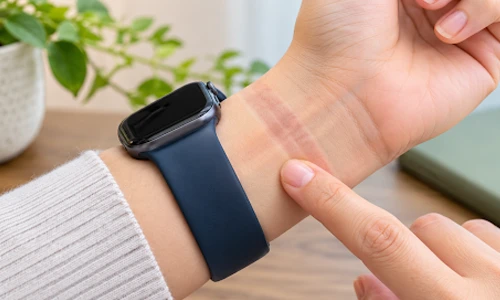
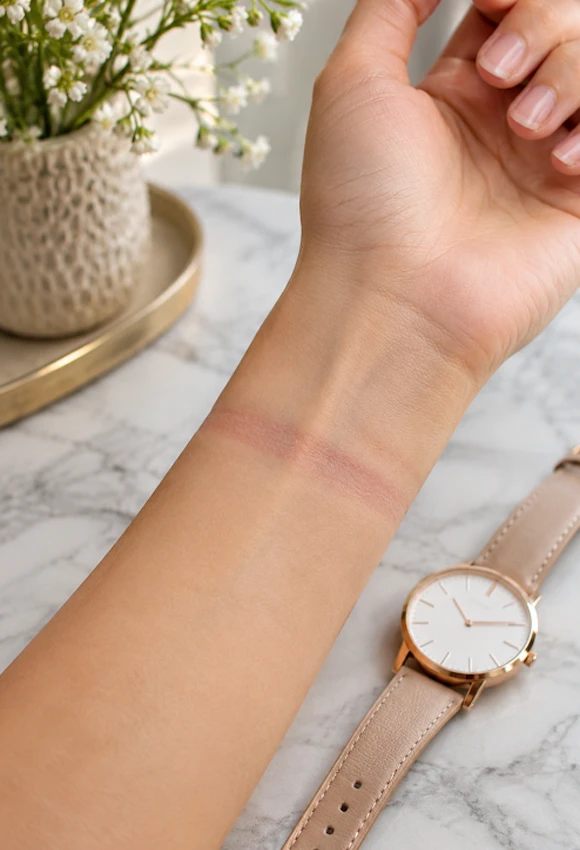
Not every mark means something is wrong with your watch. A temporary indentation that disappears after removing your watch is often caused by pressure against the skin. However, persistent redness, itching, peeling, or small bumps may suggest irritation or contact dermatitis. Here is how to distinguish between them:
- Pressure marks: Shallow impressions that gradually disappear after removing the watch.
- Friction marks: Red or irritated areas caused by repeated rubbing against the strap or buckle.
- Moisture-related irritation: Redness or discomfort caused by sweat, water, and residue trapped underneath the band.
- Allergic reactions: Itchy, red, or sometimes blistering skin caused by sensitivity to materials such as nickel.
Nickel allergy is a recognized cause of contact dermatitis around the wrist, particularly where a watch strap touches the skin.
Why Do Watch Bands Leave Marks on Your Wrist?
Several everyday habits can contribute to these marks.
1. Wearing Your Watch Too Tightly
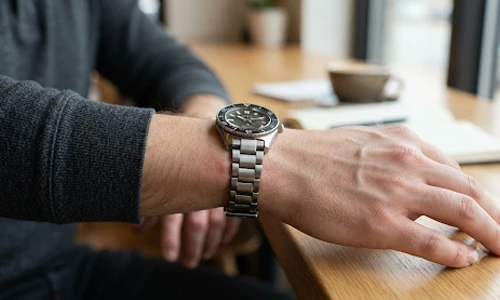
A snug watch looks neat and keeps the dial in position. However, a band that presses firmly against your wrist throughout the day can leave visible impressions.
Your wrist can also change slightly in size with temperature and physical activity. A comfortable fit in the morning might feel restrictive later. Adjust the strap so it stays securely in place without pinching your skin.
2. Sweat and Moisture Trapped Underneath
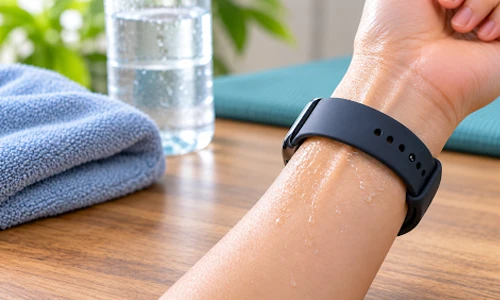
Silicone and other closely fitted straps can trap sweat, water, and product residue against your skin. This is particularly noticeable after workouts, during hot weather, or when you wear your smartwatch for extended periods.
Remove your watch after exercise, dry your wrist and the inside of the band, and allow both to dry completely before wearing it again.
3. Sensitivity to Watch Band Materials
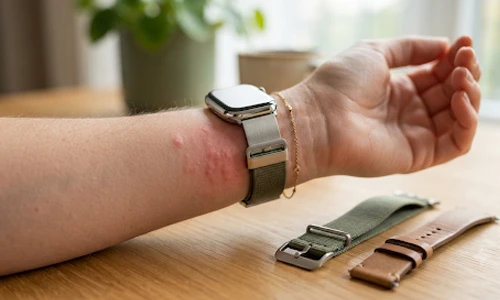
Not every material feels comfortable against every skin type. Metal straps may contain nickel, while rubber, silicone, leather treatments, dyes, and other components may cause irritation in some individuals.
If your wrist repeatedly becomes itchy or red underneath the same watch, the material could be contributing to the problem. Consider a different material, such as a fabric strap or a verified nickel-free alternative. If you suspect an allergy, a dermatologist can help identify the trigger.
4. Friction From Constant Movement
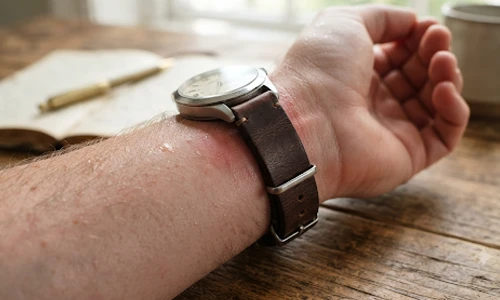
A watch that slides around your wrist can repeatedly rub against the same areas. The buckle, strap edges, and caseback may create friction, especially when your skin is damp. Adjust the fit to minimize unnecessary movement without tightening the band excessively.
Which Watch Band Materials Are More Comfortable?
Choosing the right strap can make a noticeable difference.
| Watch band material | What to consider |
| Stainless steel | Look for nickel-free options if you have metal sensitivity. |
| Leather | Offers a sophisticated appearance but needs proper moisture care. |
| Woven fabric | Can feel softer and more breathable, depending on its construction. |
| Silicone | Easy to clean but may trap moisture during extended wear. |
Remember that no material is guaranteed to suit everyone. Even a fabric or silicone band can cause irritation depending on its finish, fit, and cleaning routine.
How Can You Prevent Watch Band Marks on Your Wrist?

A few small changes can make everyday watch-wearing more comfortable.
- Adjust the strap: Avoid excessive tightness and check the fit throughout the day.
- Clean your watch regularly: Remove sweat, dirt, and product residue using the manufacturer's recommended cleaning method.
- Keep your wrist dry: Avoid putting your watch back on immediately after washing or exercising.
- Give your skin a break: Remove your watch periodically, particularly when you are not using its tracking features.
- Change materials if necessary: Consider another compatible strap if irritation keeps returning.
These habits address common sources of pressure, moisture, and friction.
Frequently Asked Questions
1. Are watch band marks normal?
Temporary impressions can occur from pressure. Persistent redness or itching deserves attention.
2. Should a watch band leave an indentation?
A comfortable watch should not feel restrictive or leave deep, painful indentations.
3. Can silicone watch bands cause skin irritation?
Yes. Trapped moisture, friction, and individual material sensitivities can contribute to irritation.
4. How often should I clean my watch band?
Clean it regularly, especially after workouts or heavy sweating. Follow the manufacturer's care instructions.
5. Which watch band is best for sensitive skin?
Verified nickel-free metal, suitable fabric, and other compatible materials may work better, depending on your individual sensitivities.
6. Should I stop wearing my watch if it causes a rash?
Yes. Stop wearing it on the affected area until the skin settles and seek medical advice if symptoms persist.
A beautiful watch should feel as good as it looks. If you keep noticing marks on your wrist, start by checking the fit, cleaning your strap, and paying attention to how your skin responds to different materials.
Sometimes, a simple adjustment is all you need. Other times, your skin may be telling you that it's time to reconsider your watch band.